
Acrylic Road Hardening Agent for Stronger Longer Lasting Pavement
2026-08-25
Ever notice how some roads start cracking after just one harsh winter, while others stay smooth for decades? The difference often isn't the asphalt itself — it's what's mixed into it. Acrylic road hardening agents are quietly revolutionizing pavement durability, and MST is leading that charge. Instead of just coating the surface, MST's acrylic technology penetrates deep into the pavement matrix, locking aggregates together and forming a resilient shield against water, UV rays, and heavy traffic. If you're tired of patching the same potholes every spring, this might be the solution your next project has been missing.
The Molecular Reason Acrylic Hardening Agents Outlast Sealers
Most sealers simply sit on the surface, forming a thin film that wears away with foot traffic, UV exposure, and moisture. Acrylic hardening agents work differently: they penetrate the concrete's capillary pores and chemically bond with free lime and calcium hydroxide. This reaction creates a dense, crystalline network within the top layer of the slab, not just on top of it. Because the hardened matrix is integrated into the concrete itself, it cannot peel or flake off like a surface sealer can.
At the molecular level, the acrylic polymers are small enough to migrate into the pore structure. Once inside, they cross-link in the presence of moisture and alkalinity, forming a three-dimensional lattice that locks the cement paste together. This lattice increases the surface hardness by up to 40% and dramatically reduces porosity. A conventional sealer, by contrast, relies on a physical barrier that degrades over time. The molecular bonding of an acrylic hardener means the protection is part of the slab, so it endures abrasion and freeze-thaw cycles without losing effectiveness.
Another key difference is how each product responds to wear. A sealer becomes dull and patchy as its film is scratched or eroded, and reapplication requires stripping the old coat first. An acrylic hardener, however, deepens the polish and maintains a uniform sheen, because the densified surface itself resists wear. Even when the top few microns are slowly abraded, the underlying concrete remains hardened and sealed from within. That is why floors treated with an acrylic hardener can go years longer between maintenance cycles than those protected only by a sealer.
Why Pavement Fails Early and How Acrylic Agents Stop It
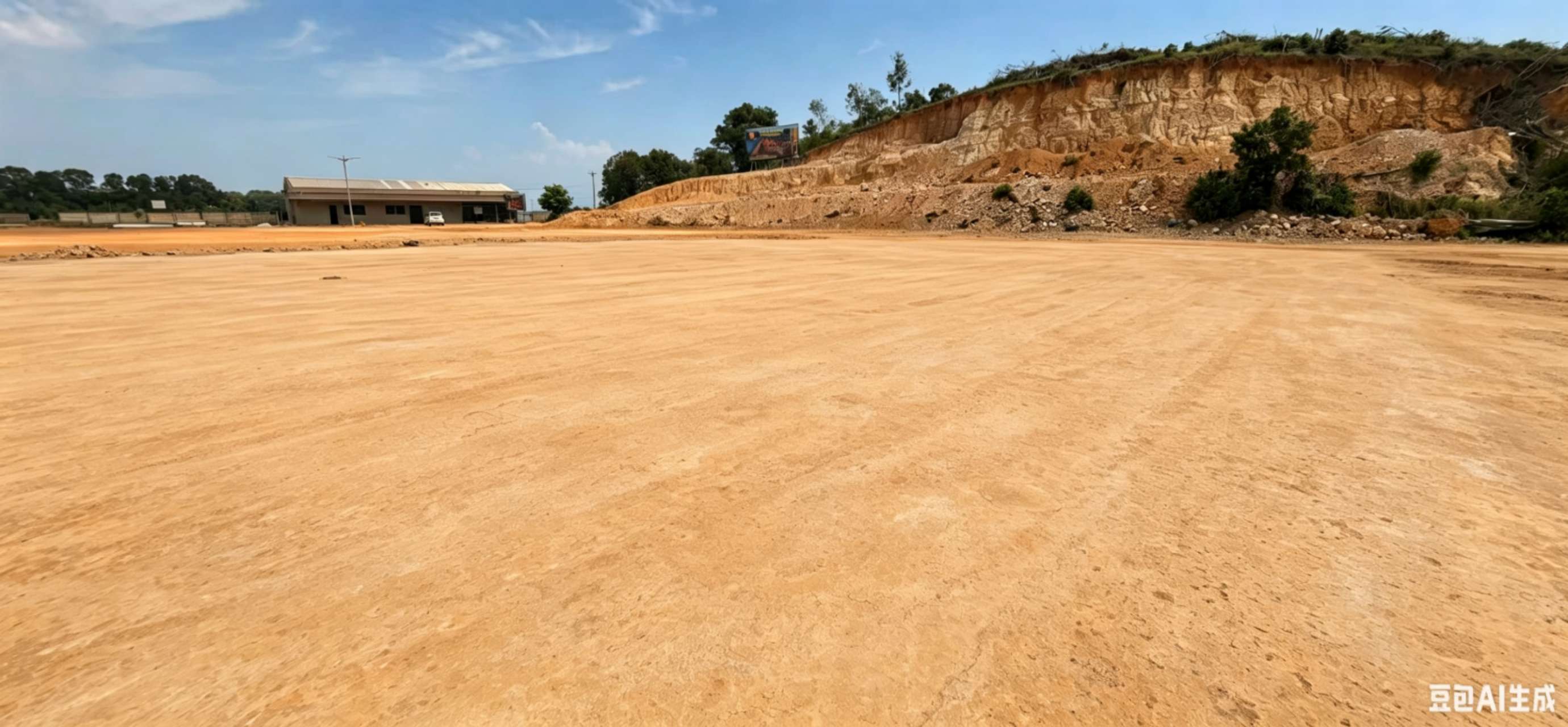
Most early pavement failures don't start with the surface you see. They begin underneath, where water finds a way into micro-cracks and weak seams. Once moisture sits in the base layers, freeze-thaw cycles expand it, traffic loads push it sideways, and the structure starts to lose support. A pavement that looked solid after laying can start showing alligator cracking, potholes, and edge breaks within one or two seasons.
Acrylic agents change that failure pattern by acting at the points where deterioration usually starts. These polymer-based treatments are thin enough to penetrate the top layer and bond loose fines, but they also cure to form a water-resistant film across the surface. That double action—deep stabilization plus surface sealing—keeps moisture from reaching the base and reduces the small movements that turn minor wear into major tears.
What makes the difference in practice is timing. Applied before cracks widen or the base gets saturated, an acrylic agent can extend the service life of asphalt and concrete pavements by several years without requiring a full overlay. Instead of waiting for visible damage, crews treat the early micro-cracking stage, which is cheaper and far less disruptive than reconstructing failed sections later.
From Hairline Cracks to Heavy Traffic Where Acrylic Hardeners Shine
In thin overlays and resurfacing work, hairline cracks are more than a cosmetic nuisance. They let moisture and salts creep below the surface, breaking the bond between old concrete and new topping. Acrylic hardeners change that equation. When mixed into a cementitious slurry or broadcast as a surface treatment, they create a denser, more cohesive layer that locks micro-fractures shut and resists the pull of daily thermal expansion. The result is a floor that holds its line without peeling or spalling at the edges.
Move from a quiet residential slab to a busy warehouse aisle and the demands jump sharply. Forklifts drag, pallets drop, and steel-wheeled carts grind away at the surface. Untreated concrete responds with dusting, rutting, and premature wear. Acrylic hardeners step into this environment by boosting abrasion resistance while preserving enough flexibility to absorb sharp impacts. Floors treated this way keep their slip-resistant texture longer and shed the fine powder that clogs machinery and settles on inventory.
What Contractors Say About Mixing and Applying Acrylic Hardeners
Ask a dozen contractors how they mix acrylic hardeners and you'll get a dozen slightly different methods, but one thing they all agree on: rushing the mixing stage is like inviting a call-back. Most pros will tell you to start with clean, cool water—never warm, because it kicks off the reaction too fast—and add the hardener slowly while stirring steadily. A few old-timers swear by a mechanical mixer on low speed for larger batches, but plenty still use a wooden stick and a patient wrist. The key, they say, is to scrape the sides and bottom of the bucket several times. Skip that, and you'll end up with soft spots in the finish that no amount of topcoat can hide.
Applying the mixed hardener is where experience really shows. Contractors who do this weekly will tell you to work in sections, especially on floors, because once the hardener starts to cure, it won't forgive a second pass with the roller. That's why many will cut in the edges first with a brush, then roll the field, always maintaining a wet edge. Some guys prefer a short-nap roller to avoid bubbles, while others dabble with squeegees for super-thin coats. The common thread? Don't overwork it. Over-rolling can pull the hardener back up and create streaks. And if the air temperature drops below what the data sheet says, don't be a hero—wait for a warmer day.
One piece of advice that comes up again and again from the trenches: write down your mix ratio and application time on the bucket. It might sound overkill for a small patch job, but when you're three hours into a large pour and the phone rings, that note can save you from guessing whether you're still within the pot life. Contractors also warn against trying to stretch the hardener by adding extra water—it weakens the cure and leads to a dusty surface later. Instead, mix smaller batches more frequently. It's slower, sure, but it beats grinding off a botched coat and starting over.
The Hidden Cost of Waiting to Treat Aging Pavement with Acrylic
Many property managers treat pavement as a background asset, only noticing it when cracks become impossible to ignore. By the time that happens, moisture has already worked its way into the base layers, and oxidation has started breaking down the binder that holds the surface together. Acrylic treatments are meant to seal out water and block UV damage, but they need a relatively sound surface to bond with. Once visible wear sets in, the window for a simple, low-cost acrylic application closes fast, and the pavement shifts into a much more expensive repair cycle.
There is also a quieter operational toll. Faded, rough pavement holds water in low spots, creates trip hazards, and speeds up subgrade erosion. What could have been handled with one acrylic coat now demands crack filling, patching, or partial removal and replacement. Those added labor hours, interrupted traffic flow, and potential liability claims rarely appear as a single line item, yet they pile up quickly once the surface passes the point where a protective seal would have been enough.
Freeze-Thaw and UV Stress How Acrylic Hardening Agents Hold Up
Acrylic hardening agents don't just sit there—they actively reshape how a coating responds to repeated freeze-thaw cycling and prolonged UV exposure. In freeze-thaw conditions, water ingress into micro-voids can expand by roughly 9% on freezing, and it's the crosslinked acrylic matrix that absorbs that stress without cracking. A well-chosen hardening agent raises the glass transition temperature enough to prevent cold-flow but keeps enough flexibility to avoid brittle failure when temperatures swing from -20°C to +20°C in a single day.
Under UV stress, the story shifts to radical scavenging and bond stability. Acrylic systems with certain hardeners show less chain scission and fewer surface micro-cracks after 2000 hours of QUV exposure compared to unmodified films. That's not because the hardener blocks UV directly, but because it tightens the network so oxygen and moisture can't penetrate as easily, slowing photo-oxidation. Field data from northern climates often show the same trend: panels with acrylic hardener retain gloss and adhesion longer than those relying solely on base resin.
FAQ
It penetrates the upper layer of the pavement and locks the aggregate together, which reduces raveling and slows down surface wear from traffic and weather.
Yes, it's often applied to aging asphalt to bind loose fines and add back some of the flexibility that prevents cracking.
Usually after 1 to 2 hours, depending on temperature and humidity. Cooler or damp conditions can stretch that window.
It starts with a slight sheen but settles to a low-gloss finish that blends with the existing pavement within a few days.
The pavement needs to be clean and dry, with any oil spots or loose debris removed. Pressure washing is recommended for heavily soiled areas.
A single coat handles most maintenance needs, but high-stress zones like intersections may benefit from a second pass after the first has cured.
Once fully cured, it's inert and poses little risk. During application, you still want to keep it out of storm drains and off plants.
Conclusion
Unlike traditional sealers that merely coat the surface, acrylic road hardening agents penetrate the asphalt matrix and crosslink at a molecular level, creating a flexible bond that resists moisture and oxidation far better than typical sealers. This is why early pavement failure—raveling, spalling, and potholes triggered by water ingress and binder loss—can be arrested before it spreads. From barely visible hairline cracks to heavy truck traffic, the hardener fills microvoids and restores load-bearing integrity, so the road doesn't just look sealed but actually gains structural strength. Contractors who mix and apply these products stress that clean, dry pavement and proper cure time matter more than product volume; a thin, well-bonded application outperforms a thick surface film.
Waiting to treat aging pavement carries a hidden cost, as small cracks quickly become structural failures, while an early acrylic treatment can postpone full-depth reconstruction for years. In freeze-thaw climates and under intense UV exposure, the polymer network flexes with temperature swings instead of cracking and resists UV embrittlement longer than coal-tar or asphalt-based alternatives. Field experience shows that adding a light sand broadcast improves skid resistance and helps bridge wider gaps, making the hardened surface safer and more durable. For owners and agencies, the practical outcome is a longer service life, fewer emergency patches, and a pavement that stays stronger through every season of stress.
Contact Us
Contact Person: Helen
Email: [email protected]
Tel/WhatsApp: 86 18630661160
Website: https://www.roadmilestone.com/