
Best 808nm Laser for Hair Removal: Top Devices and Expert Buying Tips
2026-07-21
Imagine achieving smooth, hair-free skin with unmatched precision and comfort. The 808nm laser wavelength has become the gold standard for permanent hair reduction, but not all devices deliver the same results. Whether you are a clinic owner or a beauty enthusiast, choosing the right machine can feel overwhelming. That’s where expert insights and reliable brands like GUANG TAI come in. In this guide, we’ll explore the top 808nm laser hair removal devices and share insider tips to help you invest wisely.
Why 808nm Is Considered the Ideal Wavelength for Permanent Hair Reduction
The 808nm wavelength strikes a rare balance between deep tissue penetration and strong melanin absorption, making it exceptionally effective for hair removal across a wide range of skin types. Unlike shorter wavelengths that scatter more in the skin and pose a higher risk of epidermal damage, 808nm light travels deeper to reach the hair bulb while sparing the surrounding tissue. This selectivity is key: it heats the follicle precisely enough to disable it without causing burns or hyperpigmentation, which is why clinics often trust it for safe, long-term results.
What really separates 808nm from other wavelengths is its versatility. It doesn’t just work well for one skin tone or hair color—it’s been proven to deliver consistent reduction for both light and darker skin, as long as there’s some pigment in the hair. This is practically important because it allows technicians to use a single device to treat a broader clientele without constantly switching handpieces or adjusting settings. The diode laser’s ability to maintain a steady, high-power output at this wavelength means sessions can be faster and more comfortable, even on coarse or stubborn growth areas like the back or legs.
Behind the scenes, the physics of 808nm give it an edge over both lower and higher wavelengths. At 755nm, for example, melanin absorption is higher but the light doesn’t penetrate deep enough for thick, terminal hairs; at 1064nm, penetration is excellent but melanin absorption drops, requiring more energy and extending treatment times. The 808nm diode laser operates in a sweet spot where it can reach the follicular stem cells and dermal papilla with enough thermal energy to trigger permanent reduction, while the built-in cooling systems in modern devices protect the skin surface. It’s this combination of depth, absorption, and safety that has built its reputation as the go-to wavelength for permanent hair reduction.
A Close Look at the Top-Rated 808nm Laser Hair Removal Devices
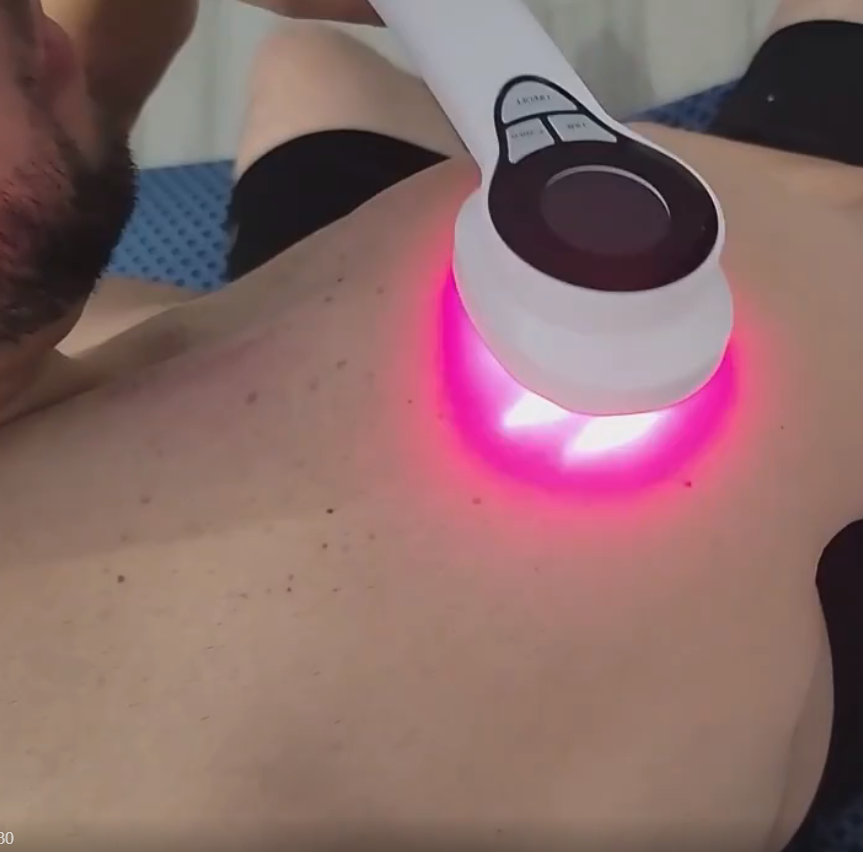
The 808nm diode laser has become a benchmark in hair removal, praised for striking a balance between melanin absorption and dermal penetration. Its wavelength reaches deep enough to damage the hair follicle without excessive surface scatter, making it suitable for a wide range of skin tones—from fair to medium-dark. What sets the top-rated devices apart isn’t just the diode itself, but the supporting engineering: consistent energy delivery, rapid repetition rates, and integrated cooling that keeps discomfort low even during longer sessions.
Premium 808nm lasers often incorporate additional features like dynamic cooling or vacuum-assist, which can improve both safety and efficiency. Some units combine the diode with a 755nm or 1064nm handpiece, expanding the treatment spectrum, but the core 808nm module remains the workhorse. When you look at user reviews and clinical feedback, the most praised models tend to offer a sweet spot of power and pulse width—strong enough to yield noticeable results after a few treatments, yet gentle enough that most people can tolerate it without numbing cream.
At the consumer level, a few handheld 808nm devices have earned loyal followings for at-home use, though they deliberately trade some raw power for safety. Among professional systems, the real differentiators are build quality, longevity, and the speed at which you can cover large areas. Whether you’re comparing salon-grade machines or personal gadgets, the underlying physics of 808nm light remains compelling, but the execution—from cooling plates to spot size—ultimately determines how effective a device proves in daily practice.
What Experts Look for When Recommending a Hair Removal Laser
When sifting through the countless options on the market, professionals prioritize safety and skin compatibility above all else. They meticulously evaluate the device's built-in skin tone sensors and cooling mechanisms, ensuring that it can adapt to a wide range of skin tones without causing burns or hyperpigmentation. A laser that skimps on these protective features is quickly dismissed, no matter how powerful its marketing claims.
Beyond safety, experts scrutinize the technology's ability to deliver lasting results. They look for lasers that operate at true fluency levels, with energy output that can effectively target the hair follicle at the right depth. This often means favoring devices that use clinically backed wavelengths, like diode or alexandrite, over trendy but less proven IPOs. They also consider the spot size and repetition rate, as these factors directly influence both the speed and thoroughness of each session.
Finally, the user experience is parsed with a fine-tooth comb. A top-tier device must strike a delicate balance between efficacy and comfort, offering adjustable settings that accommodate different pain tolerances and treatment areas. Wireless flexibility, ergonomic design, and clear, intuitive displays weigh heavily in their recommendations, as these elements encourage consistent, long-term use—the real secret to achieving smooth, hair-free skin.
Features That Matter Most for At-Home vs. Professional 808nm Lasers
When comparing at-home and professional 808nm laser devices, the first standout difference lies in power output and energy density. Professional units typically deliver much higher fluence, allowing for deeper penetration and faster follicle disablement in fewer sessions. At-home versions, constrained by safety regulations, operate at lower intensities, which makes them safer for untrained use but also means you’ll need more treatments over a longer period to see similar results. The trade-off is really about convenience versus efficiency—professional lasers pack a punch that home gadgets simply can’t match.
Another crucial feature is the cooling mechanism and skin contact sensors. Professional 808nm lasers often come with sophisticated contact cooling or cryogen spray to protect the epidermis while delivering high energy, reducing discomfort significantly. Many at-home devices rely on simpler cooling plates or air cooling, which may not be as effective, especially on sensitive areas. Without proper cooling, you might experience more redness or irritation. Additionally, professional machines have built-in skin tone and hair color sensors that automatically adjust settings, whereas most home devices offer limited presets, putting the onus on the user to choose correctly.
Finally, spot size and treatment speed set these two categories apart. Professional equipment features larger spot sizes (sometimes over 15x25mm) that cover more area per pulse, enabling full-body sessions in under an hour. At-home lasers have much smaller windows, often less than 1 cm², making them tedious for large areas like legs or back. This difference directly impacts the overall treatment time and commitment required. While the portability and lower upfront cost of home devices appeal to many, the faster, more thorough results of a professional 808nm laser remain unmatched for those prioritizing time and effectiveness.
Realistic Expectations: Results You Can Achieve and How Long They Take
It’s tempting to believe that a few weeks of effort will completely transform your body or skills, but real progress usually follows a slower, more uneven path. In the first month, you might notice subtle shifts — slightly better energy, a small increase in strength, or a clearer understanding of what you’re learning. These early wins are often invisible to others but lay the groundwork for what follows. Patience here isn’t just a virtue; it’s what separates those who quit from those who keep going when the initial excitement fades.
After about two to three months of consistent work, changes start to become more tangible. It could be dropping a clothing size, finally nailing a technique that once felt impossible, or receiving an unprompted comment from someone who notices the difference. This is the phase where habits start to solidify, and the results begin to match the effort in a way that feels rewarding rather than punishing. The key is that this timeline assumes steady, realistic input — not perfection, but a genuine commitment.
Long-term, meaningful transformation is usually measured in half-year or yearly increments. After six months, you’re likely operating on a different level entirely — whether that’s in fitness, a creative pursuit, or a professional skill. The mistake many people make is expecting such outcomes in a fraction of that time, then getting discouraged. Understanding this natural rhythm not only reduces frustration but also makes the journey more sustainable, because you learn to celebrate small steps instead of constantly chasing a distant finish line.
Common Mistakes to Avoid When Choosing or Using an 808nm Laser
People often assume that a higher power rating guarantees better performance, but in the world of 808nm lasers, beam quality and stability matter just as much. I've seen plenty of clinics invest in a 600W diode stack only to find the treatment inconsistent because the energy distribution is uneven. Before committing, always check the manufacturer's specifications for beam homogeneity and pulse stability—and if they can't provide those numbers, walk away.
Another slip-up is treating safety as an afterthought. Because 808nm light barely registers to the naked eye, it's easy to forget how much energy is actually hitting the tissue. Proper eyewear isn't just a checkbox; it's the difference between a procedure and a trip to the ophthalmologist. And don't overlook the cooling—I've watched perfectly good diodes burn out prematurely because someone tried to cut corners on the water chiller or didn't monitor ambient temperature during long sessions.
Finally, many users fail to match the device to their real-world needs. An 808nm laser optimized for deep-tissue therapy won't necessarily give you the results you want for superficial hair removal, and vice versa. Talk to someone who's used the exact model you're considering, preferably in a setting similar to yours, and ask about long-term reliability rather than just the upfront cost. A bargain that breaks down monthly ends up being the most expensive option on the shelf.
FAQ
The 808nm wavelength sits in a sweet spot where melanin absorption is high enough to effectively target the hair follicle, but the light can still penetrate deep into the dermis. This balance means it can disable the follicle without overheating the surrounding skin as easily as some other wavelengths, making it suitable for a wider range of skin tones while still delivering powerful results.
In clinics, you'll often see machines like the Diode Ice Laser or the triple-wavelength platforms that use 808nm as their core. Standalone 808nm devices from brands like Lumenis or Alma are hallmarks of reliability because they combine solid engineering with consistent energy output. For portable professional use, many technicians lean toward newer solid-state diode systems that offer faster repetition rates and large spot sizes.
First, confirm it's a true diode laser, not IPL masquerading as one. Check the energy density: anything above 20 J/cm² is generally effective. Look for a device with a skin sensor and adjustable intensity levels so you can tailor it to your comfort and skin tone. A large treatment window saves time, and a quality cooling mechanism is non-negotiable to protect your skin.
Absolutely. Beyond the machine itself, you'll need to factor in replacement handpieces every few hundred thousand shots, ongoing maintenance contracts, and proper training for operators. Some devices require expensive consumables like cooling gels or tips. Also, don't overlook the cost of compliant laser safety equipment and room modifications to meet regulatory standards.
Alexandrite (755nm) is faster on fair skin but riskier on darker tones due to higher melanin absorption. Nd:YAG (1064nm) is safe for all skin types but often requires more sessions because it bypasses melanin more. The 808nm diode bridges the gap: it's safer than Alexandrite for medium and olive skin while being more efficient than Nd:YAG for those with lighter to medium complexions. It's a versatile workhorse.
Many users crank up the intensity too quickly, thinking it'll speed up results, but this just leads to burns or hyperpigmentation. Another mistake is inconsistent scheduling—sessions need to be spaced 4-6 weeks apart to catch hairs in the right growth stage. Also, skipping the patch test or ignoring the skin tone chart can turn a safe device into a painful experience.
In the strictest sense, it provides long-term hair reduction, not absolute permanence. After a full course of treatments (usually 6-8 sessions), most people see a 80-90% reduction that lasts for years. Maintenance sessions once or twice a year help keep regrowth at bay. Individual results vary based on hormones and hair type, but it's the closest thing to a permanent solution we have.
It's critical. Good cooling—whether contact cooling, sapphire tips, or cryogen spray—protects the epidermis while allowing higher fluence to reach the follicle. Without it, treatments become painful and the risk of burns climbs, especially on darker skin. Devices with poor cooling are basically design flaws; you'll end up using lower settings and compromising results.
Conclusion
When it comes to achieving lasting hair reduction, the 808nm diode laser stands out as a gold standard, but with so many devices flooding the market, making the right choice can feel overwhelming. This wavelength penetrates deep enough to target the hair follicle without overly damaging surrounding skin, striking a balance that works across skin types, though results still hinge on contrast between hair and skin tone. Top-rated devices like the Viqure and Ulike models, for instance, pair robust cooling with impressive energy outputs, but experts caution that raw specs aren’t everything—safety certifications, pulse duration adjustability, and real-world usability matter far more when recommending a laser. If you’re choosing between an at-home gadget and a professional system, clarity on features like fluence, spot size, and cooling mechanisms is key; home units prioritize simplicity and skin sensors, while clinic-grade lasers offer faster, more dramatic outcomes but demand technical know-how.
It’s easy to get swept up by marketing claims of painless, permanent results after a few sessions, but setting realistic expectations is crucial—most people need anywhere from 6 to 12 treatments spaced weeks apart to see meaningful, long-term reduction, and maintenance sessions aren’t uncommon. A major pitfall is overlooking your candidacy; for example, light, fine hair often proves stubborn regardless of the device’s prowess. Another mistake is skimping on eye protection or neglecting patch tests, which can lead to skin irritation or worse. Ultimately, the best 808nm laser isn’t just the most expensive or feature-packed—it’s the one that aligns with your hair and skin type, is used consistently over time, and comes with guidance from a knowledgeable professional who can adjust settings as your needs evolve.
Contact Us
Contact Person: Leon Yi
Email: [email protected]
Tel/WhatsApp: +86 17363316873
Website: https://zzgt.en.alibaba.com/