

Current Transformer Best: Enhancing Power Monitoring with Innovative Technology
2026-01-10
In the rapidly evolving landscape of power monitoring, the quest for precision and reliability has never been more critical. 'Current Transformer Best: Enhancing Power Monitoring with Innovative Technology' delves into the forefront of this revolution, showcasing how cutting-edge advancements are transforming how we measure and manage electrical systems. At the heart of this transformation lies Lugao, a brand synonymous with innovation and excellence, driving solutions that not only meet but exceed industry standards. This blog explores the pivotal role of current transformers in today's energy-conscious world, offering insights that will captivate both seasoned engineers and curious newcomers alike. Join us as we uncover the technologies shaping a smarter, more efficient future for power monitoring.
Innovative Sensing Mechanisms in Modern Current Transformers
In today's power systems, modern current transformers have evolved beyond traditional electromagnetic designs, incorporating innovative sensing mechanisms that enhance accuracy and versatility. For instance, some transformers now use optical current sensing, where light passing through a fiber-optic coil is modulated by the magnetic field of the current, providing high-precision measurements with minimal interference. This approach not only improves safety by isolating electrical components but also allows for operation in harsh environments where conventional methods might fail, such as in high-voltage or electromagnetic noise-prone settings.
Another cutting-edge mechanism involves the use of Hall-effect sensors, which detect current by measuring the voltage induced across a semiconductor when exposed to a magnetic field. These sensors offer advantages like wide frequency response and compact size, making them ideal for smart grid applications and renewable energy integration. By blending these technologies, modern current transformers can deliver real-time data that supports advanced monitoring and control systems, contributing to more efficient and reliable power distribution.
Furthermore, advancements in digital signal processing have enabled the emergence of Rogowski coils as a flexible sensing option. These air-core coils generate a voltage proportional to the rate of change of current, which is then integrated to provide accurate readings. Unlike rigid iron-core designs, Rogowski coils are lightweight and easily adaptable to various conductor shapes, facilitating installations in space-constrained areas or retrofitting older infrastructure. Together, these innovations are reshaping the landscape of current measurement, pushing the boundaries of what transformers can achieve in modern electrical networks.
Real-Time Power Analytics for Enhanced Grid Management
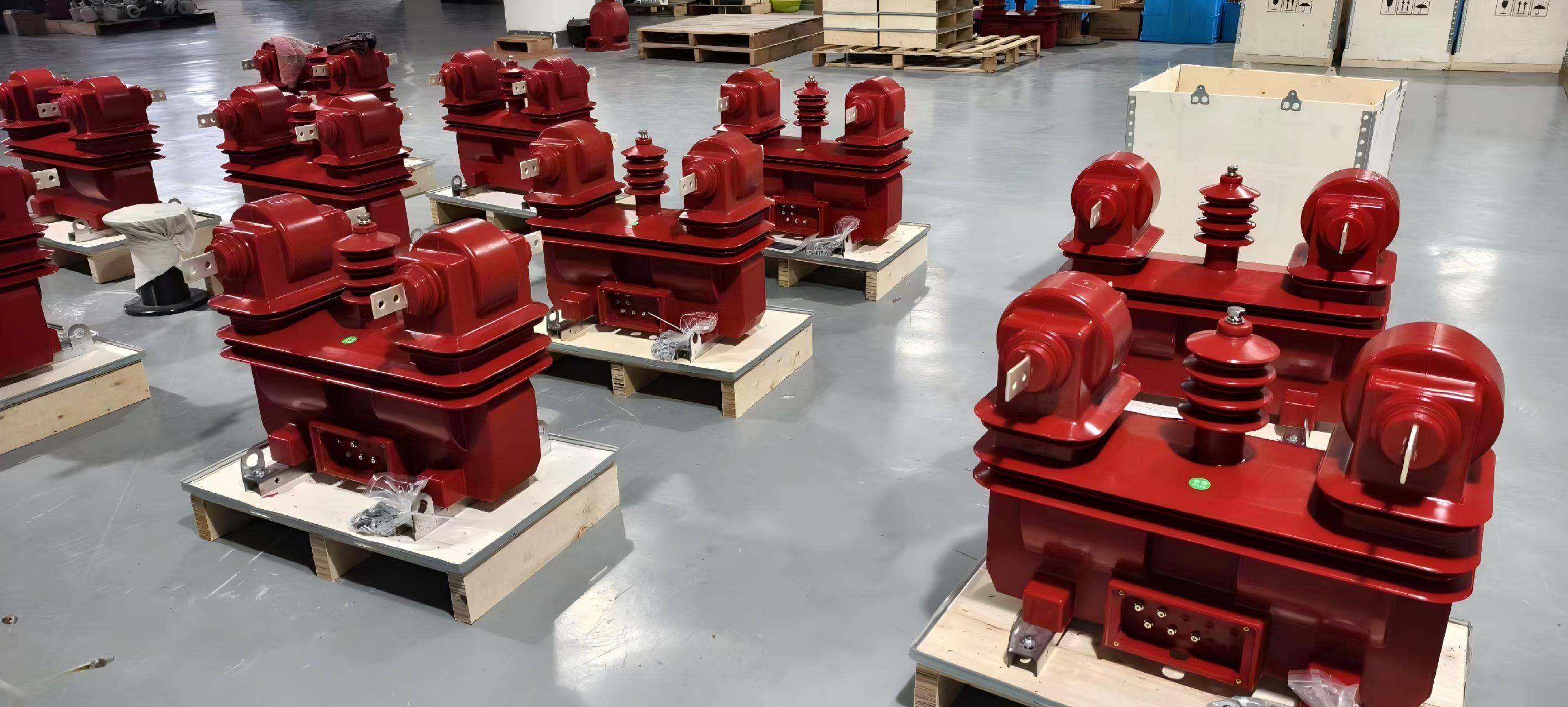
In today's energy landscape, staying ahead of grid challenges requires more than just historical data—it demands the ability to monitor and respond as events unfold. Real-time power analytics offer a dynamic window into grid operations, capturing live data streams from sensors, meters, and smart devices across the network. This continuous flow of information enables operators to detect anomalies, such as voltage fluctuations or unexpected load spikes, almost instantaneously.
By integrating advanced analytics tools with real-time data, grid managers can move beyond reactive measures toward proactive strategies. These systems analyze patterns on the fly, providing insights that help optimize energy distribution, balance supply and demand, and integrate renewable sources more effectively. For example, during peak usage hours, real-time analytics can trigger automated adjustments to prevent overloads, enhancing reliability while reducing the need for costly infrastructure upgrades.
Ultimately, leveraging real-time power analytics transforms grid management from a static oversight process into an agile, data-driven operation. It empowers utilities to improve service quality, minimize downtime, and support sustainability goals by making informed decisions at the speed of electricity flow.
Advanced Materials for Improved Accuracy and Durability
In today's demanding environments, whether industrial settings or precision-critical applications, the choice of materials plays a pivotal role in enhancing both accuracy and durability. Traditional materials often fall short under extreme conditions, but advanced composites and alloys are now setting new standards. For instance, carbon fiber-reinforced polymers not only reduce weight but also maintain structural integrity, leading to more precise measurements and less wear over time. These innovations ensure that tools and components perform reliably, even when subjected to continuous stress or harsh weather, making them indispensable for sectors like aerospace and medical technology.
Beyond strength, the surface treatments and coatings applied to these materials further boost their resilience and precision. Technologies such as ceramic coatings or diamond-like carbon layers can significantly reduce friction and corrosion, which are common culprits of inaccuracies and failures. This means devices retain their calibration longer and require less maintenance, ultimately cutting downtime and costs. By integrating these advanced materials into production, manufacturers can deliver products that not only meet but exceed expectations for longevity and exactitude, fostering trust among users who depend on consistent performance.
Looking ahead, the evolution of smart materials, like shape-memory alloys or self-healing polymers, promises even greater leaps in accuracy and durability. These materials adapt to changes in temperature or pressure, automatically correcting deviations that might otherwise lead to errors. As research progresses, we can anticipate more breakthroughs that blend material science with digital sensing, creating systems that are not just robust but also intelligent. This continuous improvement underscores a commitment to quality, pushing the boundaries of what's possible in engineering and design for a more reliable future.
Seamless Integration with Smart Energy Systems
The connection between modern technology and energy management is revolutionizing how we interact with our resources. By blending smoothly with smart energy systems, these solutions allow for real-time monitoring and automated adjustments, cutting waste and boosting efficiency. Picture a home or business where devices adjust energy usage on their own based on changing needs and availability, all without any hassle.
What sets this apart is the versatility it offers across various scales, from individual households to large industrial setups. The integration isn't just about convenience; it enhances reliability by predicting and responding to fluctuations in energy supply, reducing disruptions. This adaptability ensures that systems remain robust and responsive, making energy management more intuitive and less dependent on manual interventions.
Looking ahead, the seamless nature of this integration paves the way for innovations like decentralized energy grids and renewable resource optimization. It's not merely a technical upgrade but a shift towards smarter, more sustainable living, enabling users to take control of their energy footprint effortlessly and effectively.
Cost-Effective Solutions for Industrial Power Monitoring
In today's industrial landscape, balancing operational efficiency with budget constraints is a constant challenge. Many companies find that traditional power monitoring systems, while comprehensive, come with hefty upfront costs and complex installation processes that disrupt daily operations. Thankfully, there's a growing range of cost-effective alternatives tailored specifically for industrial settings. These solutions often leverage modular designs and scalable technologies, allowing businesses to start small with essential monitoring and expand capabilities as needed, without breaking the bank.
One key aspect of these affordable options is the integration of smart sensors and IoT devices that communicate wirelessly, significantly reducing wiring and labor expenses. Unlike older systems that require extensive retrofitting, modern setups can be deployed with minimal intrusion, collecting real-time data on energy consumption, voltage fluctuations, and equipment performance. This data isn't just numbers on a screen—it translates into actionable insights, helping identify inefficiencies like motor overloads or peak demand spikes that drive up electricity bills. By addressing these issues promptly, companies can see a quick return on investment through reduced energy waste.
Ultimately, cost-effective industrial power monitoring isn't just about cutting initial costs; it's about empowering decision-makers with reliable, accessible information. With user-friendly dashboards and automated reporting, managers can track trends, set energy-saving goals, and even predict maintenance needs before failures occur. This proactive approach not only slashes operational expenses but also enhances sustainability efforts, making it a win-win for both the bottom line and environmental stewardship.
Future Trends in Transformer Technology and Applications
As transformer models continue to push the envelope in natural language processing, their future trajectory is becoming increasingly multifaceted, extending beyond traditional text-based tasks into multimodal domains. One key trend is the integration of vision, audio, and textual data, enabling applications like real-time video captioning, interactive AI assistants that understand both speech and context, and advanced robotics with enhanced environmental perception. This convergence is driven by innovations in model architecture, such as attention mechanisms that can dynamically weigh inputs from different modalities, fostering more intuitive human-machine interactions and paving the way for AI systems that mimic holistic human understanding.
Another emerging direction is the shift toward more efficient and scalable transformer variants, addressing the computational bottlenecks and high resource demands of current models. Techniques like sparse attention, model compression through pruning or distillation, and hardware-specific optimizations are gaining traction, making transformers more accessible for edge computing and real-time applications in sectors like healthcare diagnostics and autonomous vehicles. This efficiency drive is not just about reducing costs; it also opens doors for deploying AI in resource-constrained settings, from mobile devices to remote sensors, thereby democratizing advanced capabilities and fostering innovation in underserved areas.
Looking further ahead, the ethical and interpretable aspects of transformer technology are set to become central, with trends leaning toward explainable AI and robust governance frameworks. As these models permeate critical decisions in finance, law, and public policy, there's a growing emphasis on making their inner workings transparent and mitigating biases. Future developments may include novel training methods that prioritize fairness, along with regulatory standards to ensure accountability, ensuring that transformer applications not only excel in performance but also align with societal values and trust in AI-driven solutions.
FAQ
It harnesses advanced materials and AI algorithms to improve measurement accuracy and reduce energy losses in power monitoring systems.
Unlike older models, it integrates real-time data processing and adaptive calibration, offering more precise and reliable monitoring in varying conditions.
Operators gain enhanced fault detection, predictive maintenance capabilities, and improved overall grid efficiency, leading to cost savings and reduced downtime.
Yes, it's designed with modular components and standardized interfaces, allowing for seamless upgrades without major overhauls to current setups.
By optimizing energy flow and minimizing waste, it contributes to lower carbon emissions and supports sustainable power management practices.
Expect expansions into smart grids, integration with renewable energy sources, and further AI enhancements for autonomous operation and advanced analytics.
Conclusion
Current transformer technology is undergoing a significant evolution, driven by the need for more precise and reliable power monitoring in modern energy systems. At the forefront are innovative sensing mechanisms, such as non-invasive optical and Hall-effect sensors, which enhance accuracy while reducing installation complexity. These advancements are complemented by the use of advanced materials like nanocrystalline cores and durable polymers, ensuring long-term stability and resistance to environmental factors. By integrating these improvements, current transformers provide more consistent data, which is crucial for effective grid management and industrial applications where uptime and efficiency are paramount.
The integration of real-time power analytics transforms raw data into actionable insights, enabling proactive maintenance and optimized energy distribution. This seamless connectivity with smart energy systems allows for automated responses and improved load balancing. Moreover, cost-effective solutions have emerged, making high-quality monitoring accessible to a broader range of industries without compromising performance. Looking ahead, future trends point toward even greater miniaturization, wireless capabilities, and AI-driven diagnostics, promising to further enhance power monitoring and support sustainable energy initiatives globally.
Contact Us
Contact Person: Doreen
Email: [email protected]
Tel/WhatsApp: 8618057712366
Website: https://www.liugaopower.com/