
Custom Solar Concrete Flat Roof Mounting Systems for Maximum Efficiency
2026-02-02
In a world increasingly turning to renewable energy, solar solutions are at the forefront of innovation. At Energet Solar, we're revolutionizing how solar power integrates into urban and commercial landscapes with our custom solar concrete flat roof mounting systems. Designed for maximum efficiency, these systems offer unparalleled durability and performance, tailored to meet the unique demands of modern architecture. As energy costs rise and sustainability becomes critical, discover how our advanced mounting solutions can transform your roof into a high-yield solar asset. Join us as we explore the cutting-edge technology and strategic advantages that set Energet Solar apart, and learn why our custom designs are the smart choice for forward-thinking property owners and businesses.
Optimizing Solar Panel Placement on Flat Concrete Roofs
When setting up solar panels on flat concrete roofs, strategic placement is key to maximizing energy capture throughout the day and year. Unlike sloped roofs, flat surfaces offer flexibility in orientation, but this requires careful analysis of sun angles and shadow patterns. Experts often recommend using tilt racks or ballasted systems to angle panels toward the sun, typically aligning them to face true south in the Northern Hemisphere for optimal exposure. This approach can boost efficiency by 10-20% compared to laying panels flat, as it reduces dust accumulation and enhances self-cleaning during rains.
Another critical factor is spacing between panel rows to prevent shading, especially during low sun angles in winter. Using tools like solar pathfinders or software simulations, installers can calculate the ideal distance based on the roof's latitude and panel height. For instance, in mid-latitudes, a common rule is to space rows at least twice the panel's height apart to minimize energy loss. Additionally, roof layout should account for obstacles like HVAC units or vents, ensuring panels are positioned in unshaded zones to maintain consistent output.
Beyond technical aspects, optimizing placement involves considering local weather patterns and maintenance access. In windy areas, secure mounting systems are essential for stability, while in regions with heavy snow, a steeper tilt helps shed debris. Interactive design tools can model these variables, allowing for customized solutions that balance energy goals with structural integrity. By tailoring placements to specific roof conditions, homeowners and businesses can achieve higher returns on investment, making solar installations on flat concrete roofs both practical and profitable.
Durable Mounting Solutions for Harsh Weather Conditions
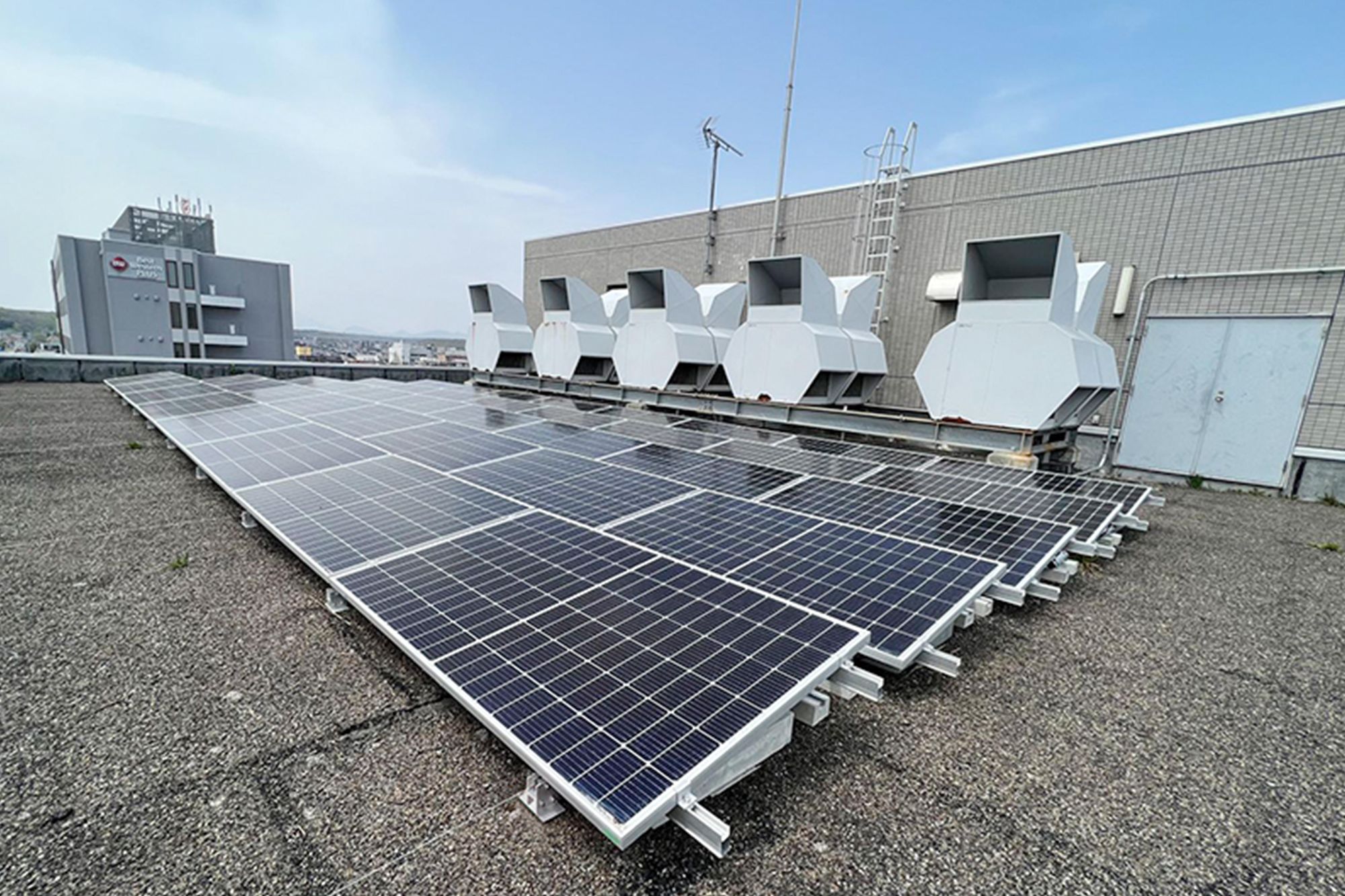
When dealing with harsh weather conditions, finding a mounting solution that stands the test of time can feel like a daunting task. Whether it's relentless rain, scorching sun, or biting frost, the right setup needs to be more than just sturdy—it has to adapt and endure. That's where high-quality materials come into play: think corrosion-resistant metals, UV-protected plastics, and weather-sealed components that prevent moisture from sneaking in. By focusing on these elements, you ensure your equipment stays put and performs reliably, no matter what Mother Nature throws its way.
Beyond material choice, design ingenuity plays a key role in creating mounts that last. Features like adjustable brackets, reinforced joints, and flexible gaskets aren't just add-ons; they're essentials that combat wind shear, thermal expansion, and other stressors. For instance, a mount with a smart drainage system can channel water away from critical areas, reducing wear and tear over seasons. This attention to detail means fewer repairs and replacements, saving time and resources in the long run.
Ultimately, investing in durable mounting solutions pays off by enhancing safety and minimizing disruptions. In environments prone to extreme weather, a flimsy mount isn't just an inconvenience—it's a hazard. By opting for products tested in real-world scenarios, you gain peace of mind knowing they can handle heavy snow loads, gusty winds, or tropical storms. It's about building resilience into everyday setups, ensuring your installations remain secure and functional year after year, without constant oversight.
Enhancing Energy Yield with Custom Angle Adjustments
When it comes to boosting the output of solar or wind systems, fine-tuning the positioning angles can make a substantial difference. Unlike fixed setups that operate under static conditions, custom angle adjustments allow installations to adapt to local environmental factors, such as seasonal sun paths or prevailing wind directions. By leveraging advanced tracking technologies or manual optimization, these adjustments help capture more energy throughout the day, leading to significant gains in overall yield without requiring additional hardware investments.
Implementing custom angle strategies involves analyzing site-specific data to determine optimal tilt or orientation. For instance, in regions with high wind speeds, adjusting turbine blades to reduce drag during storms can prevent damage and maintain efficiency. Similarly, solar panels angled to avoid shading or maximize exposure during peak sunlight hours can outperform standard installations by up to 20-30%, making this approach particularly valuable for projects aiming to maximize returns in competitive energy markets.
Beyond technical benefits, custom angle adjustments support sustainability goals by enhancing resource utilization and reducing waste. They enable systems to operate closer to their theoretical potential, which not only cuts down on energy loss but also extends the lifespan of components by minimizing stress. As renewable energy adoption grows, adopting these tailored strategies becomes a key differentiator for projects seeking reliability and higher performance in diverse climates.
Streamlining Installation for Quick Project Completion
Transforming installation processes from cumbersome to effortless is the cornerstone of accelerating project timelines. By adopting modular and intuitive assembly methods, teams can drastically reduce on-site setup time, allowing for a seamless transition from planning to execution without unnecessary delays. This approach not only cuts down labor hours but also minimizes errors, ensuring that every phase of the installation aligns perfectly with initial design specifications, thereby keeping projects firmly on track.
Innovative tools and pre-fabricated components are game-changers in this realm. They eliminate many of the traditional hurdles associated with manual adjustments and lengthy adjustments, enabling installers to focus on precision rather than problem-solving. As a result, projects that once spanned weeks can now be wrapped up in a fraction of the time, delivering faster returns on investment and satisfying tight deadlines with ease.
Ultimately, streamlining installation is about creating a workflow that prioritizes efficiency without sacrificing quality. By integrating smart technologies and streamlined protocols, businesses can achieve swift project completion while maintaining high standards, turning complex installations into straightforward, repeatable successes that set them apart in competitive landscapes.
Protecting Roof Integrity with Non-Penetrative Designs
Roofing systems face constant threats from weather, wear, and installation methods that can compromise their longevity. Traditional approaches often involve penetrating the roof membrane with fasteners or anchors, creating vulnerabilities where water can seep in and cause damage over time. By adopting non-penetrative designs, such as ballasted or mechanically attached systems without through-fasteners, these risks are minimized, preserving the roof's structural and waterproof integrity for decades.
Innovations in non-penetrative techniques, like adhesive bonding or interlocking panel systems, offer flexibility and durability that outperform older methods. These designs distribute loads evenly across the roof surface, reducing stress points and preventing leaks that commonly arise from punctures. This approach not only enhances protection but also simplifies maintenance, as there are fewer entry points for moisture to infiltrate, leading to lower repair costs and extended service life.
In urban and environmental contexts, non-penetrative roofing supports sustainability by minimizing waste and energy loss. By avoiding penetrations, insulation remains intact, improving thermal efficiency and reducing heating or cooling demands. This makes such designs a smart choice for modern construction, aligning with green building standards while ensuring robust, long-lasting roof performance without the hidden costs of traditional fixes.
Scaling Systems to Meet Diverse Energy Needs
Scaling energy systems to meet the world's incredibly diverse needs means creating solutions that can adapt to different contexts, from remote villages to bustling cities. Instead of a one-size-fits-all approach, we're seeing innovations that allow for tailored energy generation and distribution, ensuring reliable power is accessible everywhere. This flexibility helps communities thrive and supports sustainable growth by matching energy output with local demands, whether it's through microgrids or advanced storage technologies.
Diversity in energy needs also drives the development of hybrid systems that combine solar, wind, hydro, and other sources to provide consistent supply. By integrating these varied resources, we can overcome the limitations of individual technologies and create more resilient networks. This adaptability not only reduces dependency on single sources but also enhances efficiency, making energy systems better equipped to handle fluctuations in demand and environmental conditions.
Ultimately, scaling successfully involves leveraging smart technologies and data analytics to optimize energy use across different scales. From household-level energy management to large-scale grid operations, these tools enable precise control and forecasting, paving the way for a more inclusive and sustainable energy future. By focusing on scalability, we empower regions with unique needs to build systems that are both effective and enduring, without compromising on reliability or environmental integrity.
FAQ
Unlike off-the-shelf systems, custom solutions are tailored to specific structural and environmental factors of concrete flat roofs, ensuring higher durability and better weight distribution for long-term efficiency and safety.
They optimize panel tilt and orientation to capture maximum sunlight, reduce shading, and enhance airflow for cooling, which boosts overall energy output and panel performance in varied conditions.
High-grade aluminum and stainless steel are typical for their corrosion resistance and strength, while specialized clamps and anchors secure panels without damaging the roof, ensuring reliability in harsh weather.
Key factors include roof load capacity, local wind and snow loads, roof age and condition, and compliance with building codes to ensure safety and avoid structural issues.
They incorporate raised designs and drainage-compatible components to maintain proper water flow, preventing pooling and leaks, thus protecting the roof's integrity over time.
Benefits include reduced energy costs, lower maintenance needs due to durable construction, potential for increased property value, and adaptability to future expansions or panel upgrades.
Yes, they can be engineered to integrate with existing structures, using non-invasive attachment methods that minimize disruption and maintain roof warranties.
While initial costs may be higher than standard options, customization leads to better efficiency and longevity, shortening the payback period through increased energy savings and reduced repair expenses.
Conclusion
The custom solar concrete flat roof mounting systems are engineered to maximize efficiency through precise optimization techniques. By focusing on optimal solar panel placement, these systems ensure panels are positioned to capture maximum sunlight throughout the day, particularly on flat concrete roofs where space utilization is critical. This customization extends to angle adjustments, allowing for fine-tuning based on geographic location and seasonal changes to enhance energy yield significantly. The integration of scalable designs further supports diverse energy needs, from residential to commercial applications, ensuring flexibility without compromising performance. These tailored approaches set these systems apart by delivering superior efficiency compared to standardized solutions.
In addition to optimizing energy output, these mounting systems emphasize durability and protection in challenging environments. Durable solutions are crafted to withstand harsh weather conditions, such as high winds and heavy snow, ensuring long-term reliability and minimal maintenance. Non-penetrative designs play a key role in safeguarding roof integrity by avoiding damage to the concrete surface, which reduces risks of leaks and structural issues. Moreover, streamlined installation processes enable quick project completion, cutting down on labor time and costs while maintaining high-quality standards. This holistic approach combines efficiency, robustness, and ease of implementation, making these systems a standout choice for sustainable energy projects on flat concrete roofs.
Contact Us
Contact Person: Simon
Email: [email protected]
Tel/WhatsApp: 8613672181100
Website: https://energetsolar.com/