
Full Face Snorkel Original Manufacturer Buying Guide for Safe Snorkeling
2026-09-17
Snorkeling should feel effortless, not like a constant battle with a foggy, leaking mask. Yet many travelers end up with cheap knockoffs that ruin the experience—or worse, compromise safety. That's why knowing who actually made your gear matters. As a full face snorkel original manufacturer, OCORT has seen firsthand how proper design and materials separate a memorable dive from a dangerous one. In this buying guide, we break down what to look for before you hand over your money—so your next breath underwater is as relaxed as the view above it.
Why Full Face Snorkel Designs Demand a Different Safety Approach
A conventional snorkel lets you clear water with a sharp exhale or simply lift your mouth away from the tube. A full face mask removes that instant escape route. The entire visor and breathing chamber are sealed to your face, so any leak, splash over the top, or failing purge valve becomes a problem you can't immediately solve by spitting out the mouthpiece. That structural difference alone shifts how users need to think about fit checks, strap tension, and what to do when water enters.
More critically, the mask creates a larger shared air space in front of your mouth and nose. If the separation between inhalation and exhalation channels isn't working perfectly, exhaled carbon dioxide can linger instead of being pushed out through the side or chin vents. The result is a slow buildup of CO2 that may feel like mild fatigue or headache before anything dramatic happens. So the safety approach can't rely on "if it feels hard to breathe, remove the mask"—by then you might already be short of breath and disoriented. Regular checks of the valve flaps, a proper seal against the face without over-tightening, and staying in calm, shallow conditions matter far more than with a traditional snorkel.
Spotting a True Original Manufacturer Behind the Label
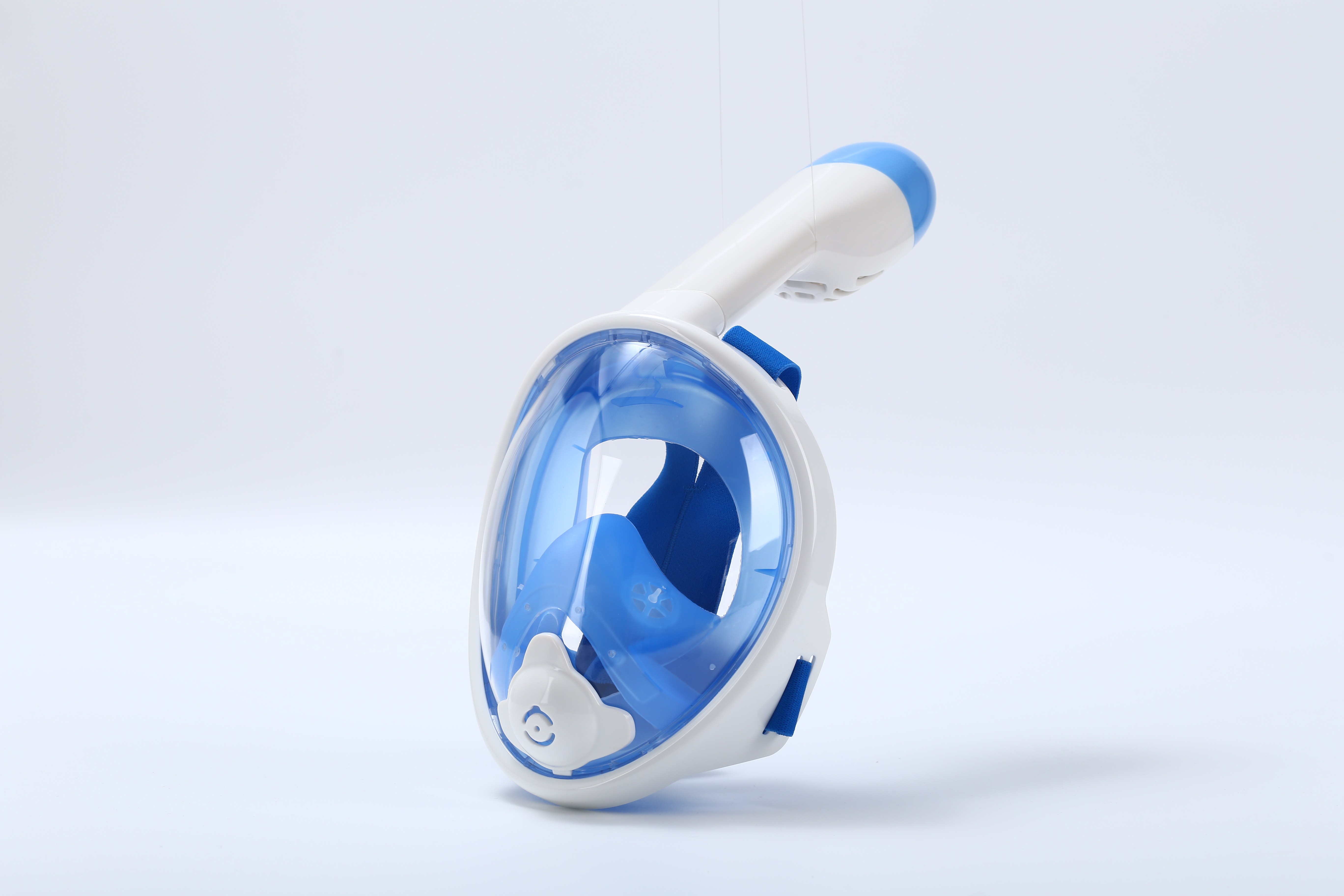
A label rarely tells the whole story. The brand printed on the front may be a reseller, while the actual factory sits several tiers away in a supply chain. To spot the true original manufacturer, start by looking past the brand name and into the product markings, batch codes, and country-of-origin details. These clues often point to a specific facility, not the marketing entity.
Cross-check trade documentation and certifications. Many genuine original manufacturers carry registrations with national factory directories or hold quality certifications tied to a physical address. A quick comparison between the listed importer, the certificate holder, and the production date can reveal whether the label represents a real maker or just a distributor. Watch for discrepancies: if the certificate is issued to a different company than the one you expected, dig deeper.
Direct verification still matters. A supplier visit, video walkthrough, or independent audit can expose whether a factory actually runs the production lines shown on paper. Some labels hide the true source through shell companies or rebranding, but a plant's equipment, worker count, and raw material intake rarely lie. Once you match those physical details to the product in hand, you've found the original manufacturer.
The Breathing Chamber Test Most Buyers Never Think to Ask About
Ask someone what they check before buying a new mattress and you'll hear the usual list: firmness level, foam type, price, maybe trial period. Almost nobody thinks to ask whether the bed has been through a breathing chamber test. That's a shame, because this one measurement can tell you more about nightly comfort than a dozen marketing labels.
In simple terms, a breathing chamber test puts a sample of the mattress material into a controlled environment that mimics body heat and humidity. Sensors then track how quickly air and moisture vapor move through the surface and core. If the material traps that warm, damp air, you'll feel clammy and overheat long before morning. A good score means the mattress actively lets heat and sweat escape instead of bottling them up against your skin.
When a seller can't or won't share breathing chamber results, that absence is worth noting. It doesn't automatically mean the product is bad, but it leaves a big question unanswered. The next time you compare beds, skip the soft-vs-firm debate for a minute and ask whether the materials were tested for breathability. Your warmer, drier nights might depend on it.
Lens and Seal Materials That Hold Up in Open Water
The lens on any underwater housing takes a beating from more than just pressure. Salt crystals, fine sand, and constant UV exposure chew through cheap acrylic in a season. Hardened optical glass with an anti-scratch coating remains the most reliable option for dive housings, though it adds noticeable weight. Polycarbonate can work for shallow-water use if it includes a replaceable outer protector, but clarity drops once micro-abrasions build up. If you shoot in murky water or near rocky shores, prioritize a lens you can swap or polish rather than a supposedly indestructible dome.
Seals are where most open-water rigs fail, and the cause is rarely a single catastrophic tear. It is the slow hardening of a cheap O-ring that looks fine until you take it past ten meters. Silicone rings hold their elasticity across a wide temperature range, but they tear easily and need frequent inspection. EPDM resists UV and ozone better for surface use, yet swells in some marine greases. Viton or other fluoroelastomers handle fuel and chemical exposure well, though they are overkill unless you work around oil slicks or brackish industrial water. The real key is matching the material to the water you actually dive in, then replacing seals on a schedule instead of waiting for a leak.
Fit Checks That Prevent Leaks Before They Become Emergencies
A quick thirty-second fit check can head off most diaper blowouts. Run your finger under the leg elastic after fastening the tabs—if it digs into the skin or leaves deep red marks, loosen the waist. At the same time, the back of the diaper should sit just below the belly button, with no more than two fingers' width of slack at the waist. Pull the inner leg ruffles outward so they sit flat against the thighs; bunched-up gussets create a channel for moisture to escape.
Check again after your baby starts crawling or sitting upright. Movement shifts the absorbent core and can turn a snug fit into a gap at the lower back. If you notice persistent side leaks, move up a size even if the weight chart says otherwise—thigh circumference matters more than age. Keep a few spare diapers in the car for those times when the fit feels off after a nap, because a two-minute check now beats stripping a car seat on the highway.
Verifying Certifications Without Falling for Marketing Copy
A glossy badge on a website is not the same as an actual credential. The first step in separating substance from salesmanship is to locate the certifying body behind the claim and then verify the certificate directly through that organization’s public registry or directory. If the issuer is vague about who runs the program, how candidates are assessed, or what ongoing requirements exist, that vagueness is often the point. Legitimate certifications typically publish clear eligibility criteria, exam blueprints, and renewal expectations, while marketing copy tends to emphasize prestige and vague outcomes instead of measurable standards.
A more reliable signal is third-party accreditation or recognition from an independent oversight body rather than a self-awarded seal. This does not mean every credible certification must be accredited, but an absence of any external review combined with heavy promises of career transformation should raise a flag. It also helps to check whether working professionals in the relevant industry actually list the credential and whether employers mention it in job postings. If the only people celebrating the certification are the ones selling it, that tells you more than any testimonial page.
Beyond accreditation, the assessment process itself reveals a great deal. A rigorous program usually includes proctored exams, identity verification, or practical demonstrations of skill, not just an open-book quiz and a fee. Ask for a sample exam outline or a syllabus before paying, and compare it against what practitioners say matters on the job. If the certifying body refuses to share details about pass rates, complaint procedures, or governance, treat that silence as a warning. The goal is not to avoid all marketing, but to make sure the marketing is supported by verifiable structure behind it.
FAQ
Check that the breathing chamber is separated from the viewing area so fresh air flows in and out without mixing with exhaled CO2. A good mask will have separate intake and exhaust channels, not just a single open cavity. Also look for a dry-top snorkel system that seals when submerged and a quick-release strap in case you need to get the mask off fast.
Original manufacturers usually have detailed technical specs, material data sheets, and will openly share factory audit reports or compliance certificates. They tend to offer customization options like private labeling or mold adjustments. If a supplier can't explain the injection molding process or shows stock photos from other brands, that's a red flag.
Full face masks are generally not recommended for children under a certain age, often around 12, because the larger air space can make it harder to clear CO2. If you have asthma, COPD, or any condition that makes breathing difficult, you should consult a doctor before using one. In practice, calm surface snorkeling is safer than active swimming for anyone with reduced lung capacity.
The skirt should be made from soft, hypoallergenic silicone rather than PVC, which can cause skin irritation. The lens should be polycarbonate or tempered glass with anti-fog treatment. For the frame, look for polycarbonate or ABS plastic that resists impact and UV degradation. Cheap masks often use thin, brittle plastic that cracks under pressure.
Fogging happens when warm, moist exhaled air hits a cooler lens. Original designs use separate airflow channels that direct exhaled breath away from the viewing area, plus anti-fog coatings on the lens. If the mask has a poorly sealed breathing chamber or the exhaust valve is weak, moisture leaks into the eye section and fogs it up quickly.
Measure the distance from the bridge of your nose to the bottom of your chin. Compare that to the manufacturer's size chart, because a mask that's too large will leak and one that's too small will press on your jaw. Also check that the inner skirt seals all around your face without gaps. Some original manufacturers offer size templates you can print at home.
Rinse the mask with fresh water after every use, especially around the valves and dry-top mechanism, because salt and sand can cause the seals to stick. Let it air dry completely before storing, and avoid leaving it in direct sunlight for long periods as UV can weaken the plastic. Periodically check the straps and buckles for cracks, and replace the mask if any part of the breathing chamber shows signs of wear.
Conclusion
A full face snorkel isn't just a larger mask; it changes how air moves, how water drains, and how a leak becomes dangerous. Most failures trace back to factories that copy the outer shape but skip the internal geometry. When you look for an original manufacturer, ask where the molds were cut and whether the breathing chamber was tested for dead-space clearance at multiple head angles, not just on a mannequin. A genuine factory will walk you through their failure-mode tests for the purge valve and the floating ball system, and they'll show batch records for the anti-fog inner lens coating. If they can't name the polymer grade used in the skirt and the lens bonding adhesive, treat the "factory direct" claim as a sticker, not a supply chain.
Fit is not a size chart exercise. Seals fail when the silicone skirt is too stiff or the strap lugs are placed half an inch off, and that won't show up in a photo. Request a sample run with your actual head circumferences and have divers exhale hard through the nose to check for CO₂ buildup behind the chin curtain. On materials, demand polycarbonate or better for the lens, medical-grade silicone for the skirt, and visible documentation for FDA or CE breathing-gas pathway components. Certification claims should list the lab, the standard number, and the test date—not just a logo. If a supplier hesitates on any of these, you are not buying safety equipment; you are buying a plastic shell shaped like it.
Contact Us
Contact Person: Wendy
Email: [email protected]
Tel/WhatsApp: 86 18807398467
Website: https://www.zlfswim.com