High Tenacity Anti-UV Nylon 66 Filament Yarn: Inside the Factory Production Process
2026-07-23
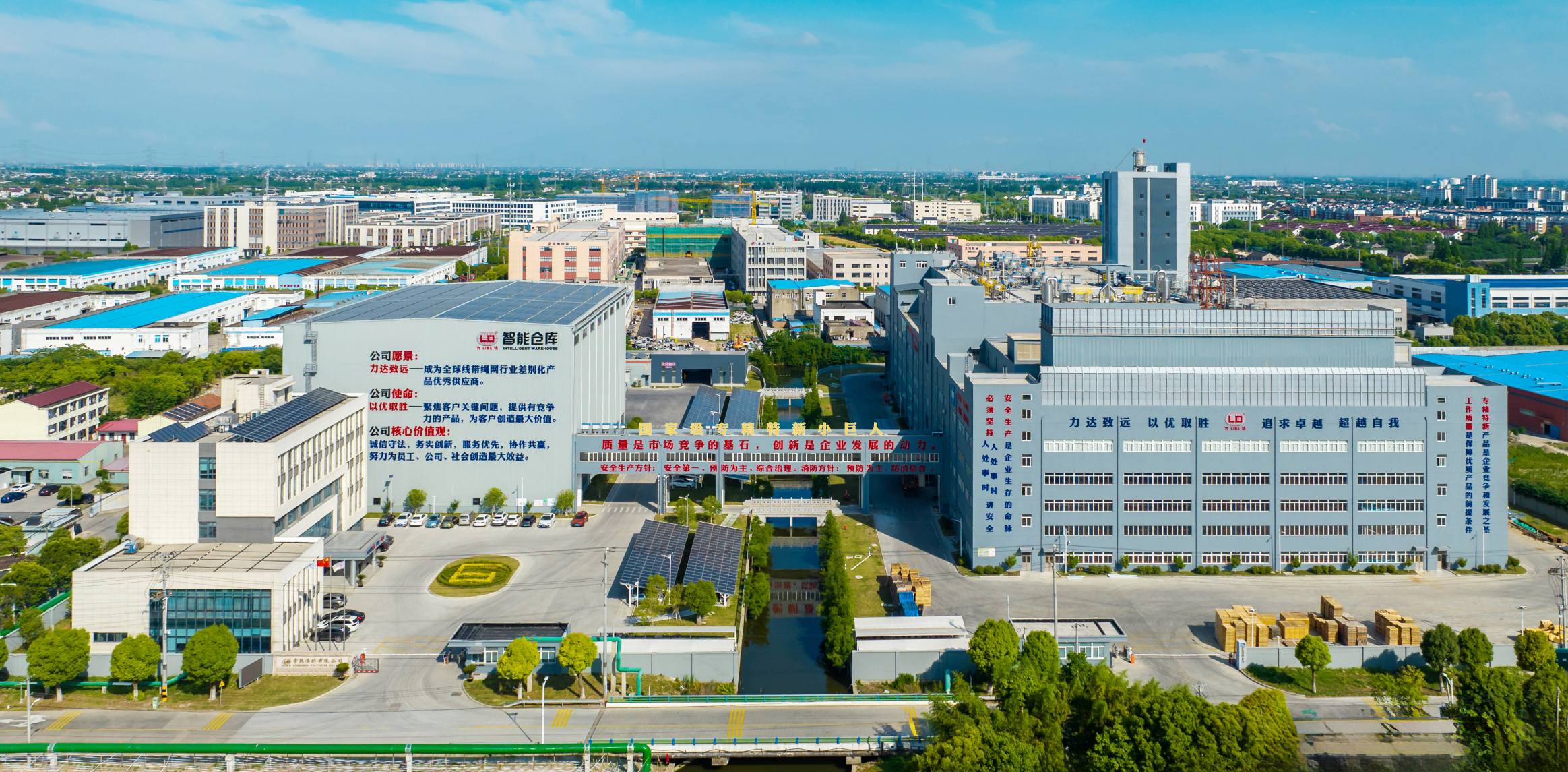
Ever wondered what goes into creating a yarn that can withstand extreme tension and relentless sunlight? Step inside the production floor of Changshu Polyester, where high tenacity anti-UV Nylon 66 filament yarn is spun with precision engineering. This isn't just another synthetic fiber—it's a carefully crafted solution for industries that demand strength and longevity under the harshest conditions. From raw polymer to finished spool, we'll take you through the fascinating journey of how this specialty yarn is made, revealing the secrets behind its remarkable durability and UV resistance.
Polymerization Precision: Cooking Up Nylon 66 from Scratch
Synthesizing nylon 66 in a lab setting demands meticulous stoichiometric balance between adipic acid and hexamethylenediamine. Even a slight excess of either monomer can prematurely cap the growing polymer chains, limiting molecular weight and compromising the final material’s strength. Using freshly purified reagents and dry conditions helps avoid side reactions that introduce imperfections into the polyamide backbone.
The reaction vessel is typically purged with nitrogen to exclude moisture and oxygen, both of which degrade the monomers or interfere with amide bond formation. The mixture is heated gradually—first to melt the adipic acid, then to a critical point where water elimination drives the condensation forward. A mechanical stirrer with a vacuum take-off port assists in removing this water, shifting the equilibrium toward high-molecular-weight polymer.
As the melt thickens, the polymer is carefully drawn from the reactor and quenched, then chopped into pellets or directly spun into fibers. The resulting nylon 66 exhibits a striking combination of toughness, elasticity, and thermal resistance—qualities that trace directly back to the precision maintained during polymerization. This hands-on approach not only demystifies step-growth kinetics but also underscores how industrial processes are mirrored in controlled small-scale preparations.
Spinning Under Tension: How Every Filament Gains Its Backbone
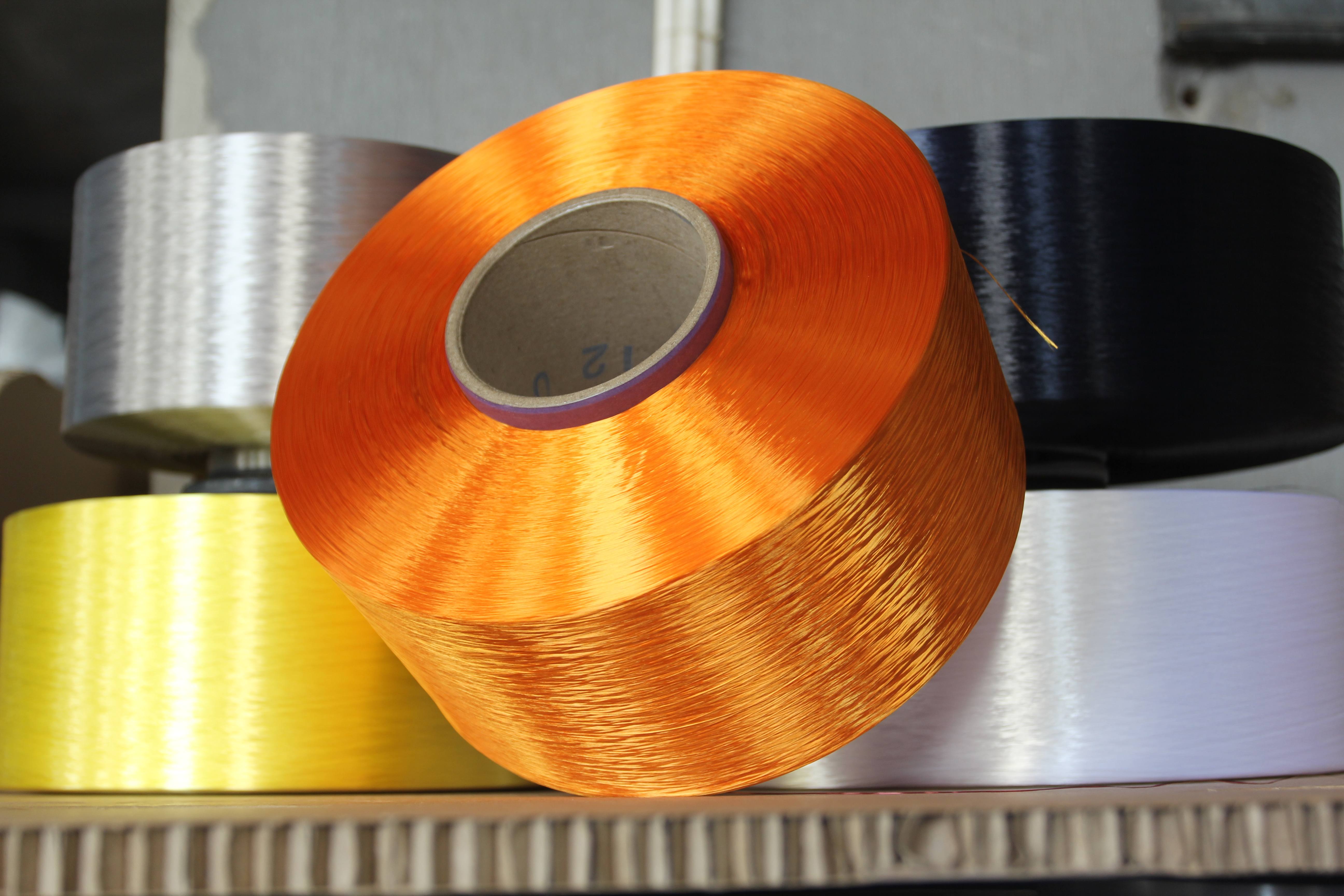
Imagine a strand so fine it's nearly invisible, yet within its slender body lies a hidden architecture forged by stress. In the world of fiber production, tension isn't just a byproduct—it's the silent sculptor. As polymers are drawn through spinnerets and stretched to their limits, molecular chains align and crystallize under the pull. This alignment transforms a weak, amorphous thread into a robust filament with direction, strength, and purpose. Without this deliberate strain, the strand would remain fragile, lacking the internal order that gives it life.
The magic unfolds at a microscopic level where chaos gives way to orientation. Under tension, tangled polymer chains straighten and pack tightly along the fiber axis, creating regions of crystalline order that act like reinforcing rods. These ordered domains are the backbone of the filament, providing tensile strength and stiffness. At the same time, the remaining amorphous areas offer flexibility. It's a delicate balance—too little tension and the structure stays disorganized; too much and the filament snaps. Mastery lies in finding that precise threshold where each strand emerges with its own resilient spine.
This principle echoes beyond textile machinery into the very essence of material science. From carbon fibers that brace aircraft wings to the silk spun by a spider under its own body weight, tension-induced alignment is a universal blueprint for strength. Every filament, natural or synthetic, tells a story of how it was pulled into existence. The backbone it gains isn't just physical—it's a narrative of controlled stress turned into enduring form.
Baking in UV Defense: Additives That Go Beyond the Surface
When ultraviolet protection is truly embedded into a material, it becomes part of the product's DNA rather than an afterthought. By incorporating UV stabilizers directly into the polymer matrix during compounding or masterbatching, manufacturers essentially 'bake' resistance right into the core. This approach sidesteps the common pitfalls of topical coatings—peeling, scratching, and uneven application—and ensures every cubic millimeter of the finished part carries the same level of protection. The result is a more resilient foundation that doesn't rely on a fragile outer shell to shield against sunlight, heat, or weathering.
These additives work on a molecular level to intercept the destructive chain reactions triggered by UV exposure. Hindered amine light stabilizers (HALS) scavenge free radicals before they can slice polymer chains, while UV absorbers like benzotriazoles convert harmful radiation into harmless heat. Because they are distributed throughout the entire thickness, they protect not just the immediate surface but also the interior structure—meaning cracks, abrasions, or gradual erosion don't instantly expose unprotected material underneath. This intrinsic defense mechanism extends the functional life of products far beyond what surface-only solutions can achieve.
In practice, the payoff is visible where it matters most: outdoor furniture that doesn't chalk, automotive dashboards that resist fading, and greenhouse films that stay clear season after season. By moving defense into the material itself, formulators open up design possibilities that don't sacrifice aesthetics for durability. And since the protection isn't just skin-deep, even recycled or regrind content can retain some level of UV resistance, giving a second life to what would otherwise degrade too quickly.
The Cold Draw Sequence That Turns Good into Great
There's a quiet moment in the process where good work starts to feel different. It's not a single breakthrough but a series of deliberate, almost meditative steps—each one refining what came before. The cold draw sequence isn't about forcing brilliance; it's about creating the conditions where mediocrity simply can't survive. Each pass through the sequence strips away what's unnecessary, leaving behind something denser, stronger, more alive.
Practitioners often describe the shift as uncanny. One day you're going through the motions, and the next, the work seems to pull you forward instead of the other way around. The sequence becomes a kind of rhythm, a conversation between intention and material. Mistakes don't disappear—they become signals, pointing toward the exact spot where the next iteration needs to bite deeper.
What makes the sequence transformative is its relentless patience. It doesn't care about your timeline or your ego. It just waits, offering the same quiet invitation every time: go again, but with whatever you learned last time burning in your hands. Eventually, the good that you started with seems almost unrecognizable—not because it's been replaced, but because it's been compressed into something with its own gravity.
In-Line Vigilance: Laser Checks and Instant Corrections
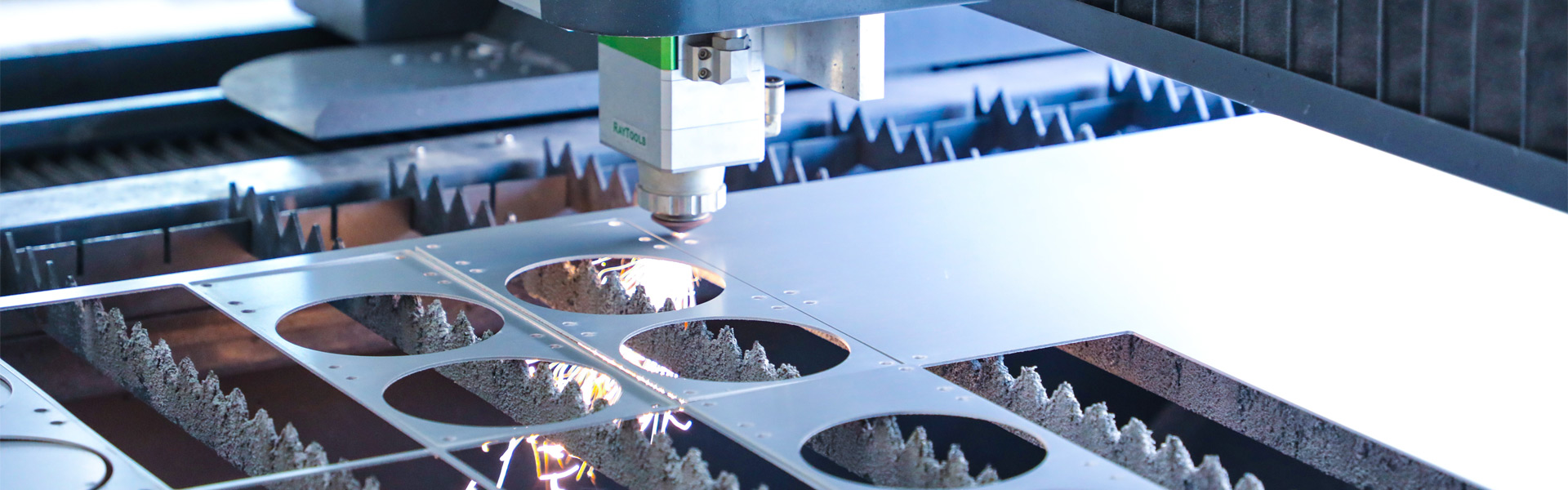
Laser systems embedded right into the production line keep an unblinking eye on every component that passes by. The moment a dimensional drift or surface flaw appears, the system doesn’t just flag it—it instantly nudges the tooling or realigns the feed to correct course without missing a beat.
This ongoing vigilance means you’re no longer waiting for a batch inspection to find out something went wrong dozens of cycles ago. Corrections happen mid-stream, flow stays uninterrupted, and the scrap bin stays conspicuously empty.
Winding the Unbreakable: Final Packaging Without a Single Snag
The final winding stage is where everything comes together, and we’ve engineered it to be completely foolproof. Every turn of the filament is guided by precision tension control that never wavers, so you won’t find a single loop out of place. It’s the kind of quiet confidence that turns a good product into a legendary one.
No kinks, no weak spots, no last-minute surprises. Our process treats each strand as if it’s the only one that matters, layering it with just the right pressure and angle. The result is a package that arrives looking exactly like it left the factory floor—ready to perform without a hint of compromise.
Even the packaging itself tells the same story. It wraps around the product like a second skin, holding everything in perfect stillness until it reaches your hands. From start to finish, the journey is seamless because every detail was obsessed over long before the first layer was wound.
FAQ
High tenacity refers to the yarn's exceptional strength and resistance to breaking under tension. In the factory, this is achieved through a carefully controlled melt-spinning process where nylon 66 polymer is extruded at precise temperatures, followed by a multi-stage drawing process that aligns the polymer chains, significantly increasing tensile strength. The draw ratio and heat-setting parameters are optimized to lock in this molecular orientation without compromising other properties.
Anti-UV capability protects the yarn from degradation caused by prolonged sunlight exposure, extending the lifespan of end products like outdoor textiles. During production, UV stabilizers or absorbers are incorporated directly into the polymer melt before extrusion. This ensures the UV-resistant agents are uniformly dispersed throughout the filament, providing lasting protection rather than just a surface coating.
The process begins with drying the nylon 66 chips to remove moisture, which is critical to prevent hydrolysis during melting. The chips are fed into an extruder where they are melted and mixed with UV additives and other stabilizers. The molten polymer is then forced through a spinneret to form continuous filaments. These filaments are cooled by controlled air quenching, then passed through a series of draw rolls that stretch them to the desired tenacity. Finally, the yarn undergoes heat setting, relaxation, and winding onto bobbins, ready for quality inspection.
Consistency is maintained by precisely metering the UV stabilizers into the melt stream using gravimetric or volumetric dosing systems. The factory also conducts regular spectrophotometer tests on yarn samples to measure UV absorbance or transmittance, comparing against set standards. Any deviation triggers adjustments in the additive dosing rate or process parameters.
In-line monitoring includes checks on filament diameter uniformity, tensile strength with automated sensors, and thermal profiling of the quenching zone. Post-production, yarn samples undergo a battery of tests: tensile testing for breaking strength and elongation, exposure to accelerated UV aging in xenon arc chambers, measurement of evenness (Uster testing), and visual inspection for defects. The target is to meet or exceed industry standards like ASTM D2256 for tensile properties.
Yes, the factory incorporates systems to capture and treat off-gases from the melt extrusion area, particularly if the UV additives release any volatile organic compounds. Cooling water is recirculated in a closed loop. Additionally, waste yarn from doffing or quality rejects is collected and can often be recycled back into the raw material stream after reprocessing, minimizing solid waste.
It finds use in outdoor gear like tents, backpacks, and awnings; automotive upholstery; parachute fabrics; industrial slings and ropes; and geotextiles. The production process offers flexibility to adjust denier, filament count, and twist levels to suit specific application requirements. For example, higher twist may be applied for sewing thread applications, and heavier denier for straps.
Producing this specialty yarn involves more stringent raw material selection, additional dosing equipment for UV masterbatches, and extended drawing and heat-setting segments to achieve high tenacity without brittleness. The process parameters must be finely balanced—too much drawing can orient the chains well but may reduce elongation at break, while insufficient heat setting can lead to shrinkage later. The factory often relies on proprietary know-how to hit the sweet spot.
Conclusion
The journey of high-tenacity anti-UV nylon 66 filament yarn begins deep within the polymerization reactor, where hexamethylene diamine and adipic acid are precisely combined under controlled heat and pressure. This salt-forming reaction creates a nylon 66 polymer with the exact molecular weight and uniformity essential for strength right from the start. The viscous melt is then forced through spinnerets under intense tension during spinning, aligning the long polymer chains and giving each filament its inherent backbone. Immediately after, a special package of UV-blocking additives is integrated directly into the melt, ensuring protection that's embedded through the entire fiber rather than just coated on the surface. This step is critical for long-term durability in outdoor applications, where resistance to sunlight degradation is non-negotiable.
From there, the filaments undergo a carefully orchestrated cold draw process that stretches them to orient the molecular structure even further, amplifying tensile strength from good to exceptional. In-line laser monitoring systems continuously scan every single filament, detecting micron-level irregularities and triggering instant corrections to maintain flawless consistency. Finally, the finished yarn is wound onto precision spools using automated winders that maintain perfectly even tension, eliminating any risk of snags or weak spots. Every step, from the initial polymerization to the final package, embodies a philosophy of brutal precision and zero compromise, producing a filament yarn that defies breakage and stands up to the harshest sunlight—truly unbreakable in both manufacture and performance.
Contact Us
Contact Person: CONNIE
Email: [email protected]
Tel/WhatsApp: 86-0512-53671634
Website: https://www.lida-yarn.com/