
High-Voltage Switchgear: The Ultimate Guide to Best Practices and Innovative Designs
2025-12-24
In the dynamic world of electrical engineering, high-voltage switchgear stands as a critical component, ensuring the safe and efficient distribution of power across industries. Yet, with evolving technologies and stringent safety standards, staying ahead requires more than just basic knowledge. This guide dives deep into the best practices and innovative designs that define modern high-voltage switchgear, offering actionable insights for professionals seeking to enhance operational reliability. At Lugao, we understand that innovation isn't just about advanced hardware—it's about integrating smart solutions that anticipate future challenges. From cutting-edge materials to predictive maintenance strategies, we explore how today's designs are reshaping power systems for greater resilience and sustainability. Whether you're an engineer, project manager, or industry enthusiast, this blog will equip you with the knowledge to navigate complex installations and optimize performance. Ready to transform your approach to high-voltage systems? Let's embark on this journey together, uncovering the secrets behind safer, more efficient switchgear that powers our world.
Essential Components and Their Functions in High-Voltage Switchgear
At the heart of any high-voltage switchgear system, the circuit breaker stands out as a critical component for interrupting fault currents and maintaining grid reliability. Unlike simpler devices, modern versions employ advanced insulation materials and self-diagnostic sensors, which not only enhance safety by preventing arcs from escalating but also provide real-time data on performance trends. This dual functionality allows operators to predict maintenance needs and avoid costly downtimes, making the circuit breaker indispensable for handling sudden electrical surges in industrial or utility settings.
Disconnectors, often referred to as isolators, serve a distinct role by ensuring physical separation of circuits during maintenance or repairs. What sets contemporary models apart is their ability to operate under load-free conditions with minimal wear, thanks to innovative contact designs and automated mechanisms. This reduces the risk of accidental energization and extends equipment lifespan, offering a reliable safeguard that complements other protective elements. Their seamless integration with control systems further streamlines operations, highlighting their importance beyond mere isolation.
Instrument transformers, including current and voltage types, transform high-level electrical parameters into manageable signals for monitoring and protection devices. By incorporating precision calibration and robust shielding, these components deliver accurate measurements even in harsh environments, enabling early detection of anomalies like overloads or voltage sags. This data-driven approach supports smarter grid management and enhances overall system resilience, making instrument transformers a cornerstone for both safety and efficiency in high-voltage applications.
Safety Protocols for Operating and Maintaining Switchgear Systems
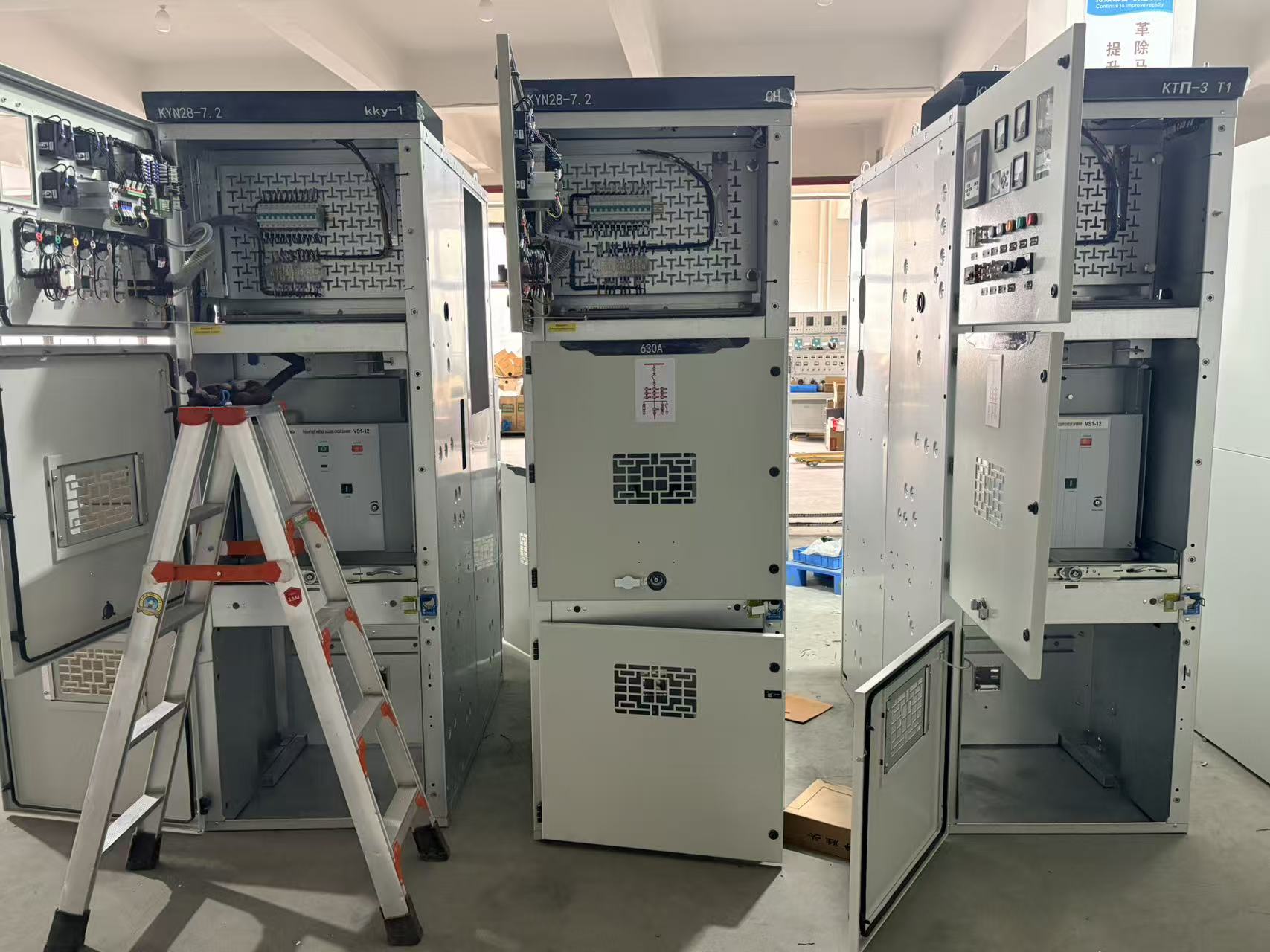
Operating and maintaining switchgear systems requires strict adherence to safety protocols to prevent accidents and ensure reliable performance. These systems, which control and protect electrical circuits, can pose serious hazards such as electrical shocks, arc flashes, and equipment failures if not handled correctly. Implementing comprehensive safety measures—including proper training, personal protective equipment (PPE), and detailed procedures—is critical for safeguarding personnel and maintaining system integrity, especially in high-voltage environments where risks are elevated.
Key safety protocols often involve de-energizing equipment before any maintenance, verifying isolation with lockout/tagout (LOTO) procedures, and conducting thorough risk assessments. For instance, before opening switchgear panels, technicians must confirm that circuits are dead using approved testing devices and wear appropriate PPE like arc-rated clothing and insulated gloves. Regular inspections and maintenance schedules help identify potential issues early, such as loose connections or signs of wear, reducing the likelihood of unexpected failures and ensuring compliance with industry standards like NFPA 70E.
To enhance safety further, organizations should foster a culture of vigilance through continuous training and clear communication. This includes documenting all procedures, conducting emergency drills, and encouraging reporting of near-misses. By integrating these practices, switchgear systems can operate safely and efficiently, minimizing downtime and protecting both equipment and human lives from electrical hazards.
Innovative Design Trends Enhancing Efficiency and Reliability
Today's designers are embracing modular systems that allow components to be swapped out seamlessly, reducing downtime and maintenance costs. These trends often integrate smart sensors and predictive analytics to proactively address potential failures before they escalate.
Another emerging approach focuses on human-centered design that prioritizes intuitive interfaces and ergonomic layouts. By minimizing user errors and streamlining workflows, these innovations directly boost operational reliability across industries from healthcare to manufacturing.
Sustainable materials and energy-efficient architectures represent a third frontier, where designs not only conserve resources but also demonstrate remarkable longevity. These eco-conscious choices frequently result in systems that perform consistently under varying conditions, marrying environmental responsibility with unwavering dependability.
Best Practices in Installation, Testing, and Commissioning
Proper installation begins with a thorough site assessment, where factors like environmental conditions and accessibilities are carefully evaluated. A detailed plan should outline each step, from equipment handling to final positioning, ensuring all components are placed correctly according to manufacturer specifications. Attention to safety protocols and using appropriate tools can prevent common issues, such as misalignments or damage, which often lead to delays and increased costs. By involving experienced technicians and adhering to these initial guidelines, projects set a strong foundation for the subsequent phases.
During testing, it's essential to adopt a phased approach, starting with individual unit checks before progressing to integrated system validations. This method helps isolate faults early, reducing the risk of cascading failures. Implementing automated testing tools can enhance efficiency, but manual inspections remain valuable for catching nuances that software might miss. Regularly documenting results and maintaining clear communication among team members ensures that any discrepancies are addressed promptly, keeping the project on track toward successful commissioning.
Commissioning marks the final verification stage, where the system is fine-tuned to operate optimally in its intended environment. This involves performance baselining, load testing, and user training to confirm all functionalities meet design requirements. A smooth transition to operational status relies on comprehensive handover documentation and post-commissioning support plans. Emphasizing proactive maintenance schedules and feedback loops from end-users can extend system longevity and adaptability, making the entire process more resilient and customer-focused.
Troubleshooting Common Issues and Preventing Failures
When you encounter unexpected system behavior, start by isolating the problem rather than jumping straight to drastic solutions. Check for recent changes in configuration, updates, or user activity that might correlate with the issue. Simple steps like reviewing logs, verifying network connectivity, or testing components one by one often reveal overlooked root causes, saving time and preventing unnecessary overhauls.
To proactively prevent failures, implement regular maintenance routines tailored to your specific environment. Schedule tasks such as hardware diagnostics, software patching, and data backup checks, customizing frequency based on usage patterns and criticality. For example, a high-traffic web server might need more frequent monitoring than a rarely used internal tool, ensuring reliability without wasting resources on over-maintenance.
Foster a culture of continuous learning and documentation within your team. Encourage members to record troubleshooting steps and outcomes in a shared knowledge base, making it easier to resolve recurring issues quickly. By analyzing past incidents and applying those lessons through updated protocols or automated alerts, you can reduce downtime and build resilience against future problems, turning reactive fixes into strategic prevention.
Future Directions in Switchgear Technology and Sustainable Solutions
Switchgear technology is evolving rapidly to integrate with renewable energy systems, moving towards smart grids that enhance efficiency and reliability. Innovations include digital monitoring and Internet of Things (IoT) sensors, enabling real-time fault detection and predictive maintenance, which reduces downtime and operational costs. These advancements support sustainable solutions by optimizing energy distribution and minimizing wastage.
Sustainability is driving the adoption of eco-friendly materials, such as biodegradable insulation and recyclable components, to reduce environmental impact. Additionally, developments in high-voltage direct current (HVDC) switchgear facilitate long-distance power transmission with minimal losses, crucial for connecting remote renewable sources like offshore wind farms to urban grids.
Future trends also emphasize cybersecurity and resilience, ensuring switchgear systems can withstand cyber threats and natural disasters, while collaborative efforts among industries aim to standardize protocols for global sustainability goals. This holistic approach positions switchgear as a key enabler of green energy transitions.
FAQ
High-voltage switchgear is specifically engineered to handle voltages typically above 1 kV, requiring robust insulation, enhanced safety mechanisms, and precise control to manage power distribution in industrial and utility settings, unlike standard equipment which operates at lower voltages with simpler designs.
Innovative designs integrate smart sensors, real-time monitoring systems, and modular components, which optimize maintenance schedules, reduce downtime, and enhance reliability, ultimately leading to greater energy efficiency and cost savings in power networks.
Key safety practices include conducting regular insulation tests, using proper personal protective equipment (PPE), implementing lockout/tagout procedures, and ensuring thorough training for personnel to prevent electrical hazards and accidents.
Thermal management is vital because excessive heat can degrade insulation materials, increase resistance, and lead to equipment failure; advanced cooling systems and heat-resistant materials are used to maintain optimal operating temperatures and prolong switchgear lifespan.
Digitalization enables features like predictive maintenance through data analytics, remote operation capabilities, and integration with grid management software, transforming switchgear into intelligent systems that adapt to dynamic power demands.
Arc flash protection is critical as it mitigates the risk of explosive electrical arcs, which can cause severe injuries and damage; modern switchgear incorporates arc-resistant enclosures and fast-acting circuit breakers to contain and extinguish arcs swiftly.
Environmental factors such as humidity, temperature extremes, and corrosive atmospheres necessitate specialized materials, sealed enclosures, and tailored maintenance protocols to ensure durability and prevent performance degradation over time.
Future trends include the adoption of renewable energy integration, increased use of eco-friendly insulating gases, advancements in compact and portable designs, and enhanced cybersecurity measures to protect against digital threats in smart grids.
Conclusion
High-voltage switchgear systems are critical infrastructure components that ensure safe and reliable power distribution across industrial and utility applications. This comprehensive guide begins by detailing the essential components—including circuit breakers, disconnectors, and relays—and their specific functions in managing electrical currents and fault protection. It then emphasizes rigorous safety protocols for operation and maintenance, highlighting procedures to mitigate risks such as arc flashes and electrical shocks, which are paramount for personnel safety and system integrity. The guide further explores innovative design trends aimed at enhancing efficiency and reliability, such as digitalization, smart monitoring, and compact modular designs that reduce footprint while improving performance. By integrating these advancements, modern switchgear systems are becoming more resilient and adaptable to evolving grid demands.
Effective installation, testing, and commissioning practices are outlined as foundational steps to ensure long-term functionality, with best practices covering site preparation, calibration, and verification processes. The guide also addresses common troubleshooting issues and failure prevention strategies, offering insights into diagnosing problems like insulation degradation or mechanical wear to minimize downtime. Looking ahead, future directions in switchgear technology focus on sustainable solutions, including eco-friendly insulating materials, energy-efficient designs, and integration with renewable energy sources. Overall, this ultimate guide serves as a valuable resource for engineers and technicians, blending traditional best practices with cutting-edge innovations to optimize high-voltage switchgear systems for safety, efficiency, and sustainability in the power industry.
Contact Us
Contact Person: Doreen
Email: [email protected]
Tel/WhatsApp: 8618057712366
Website: https://www.liugaopower.com/