Industrial Shredder Manufacturer: What Sets the Best Apart from the Rest?
2026-05-22
When it comes to industrial shredding, not all manufacturers are created equal. The best in the business combine rugged engineering with smart innovation to handle everything from sensitive documents to bulky waste. But what truly sets a leader apart? At Shengzhong Shredder, we believe it’s a relentless focus on durability, efficiency, and tailored solutions. In this post, we’ll dig into the key traits that elevate a manufacturer from ordinary to exceptional—so you can make an informed choice for your business.
Engineering That Endures: The Backbone of Reliable Shredding
Behind every dependable shredder lies a foundation of robust engineering that prioritizes longevity and consistent performance. This isn't about flashy features or gimmicks—it's about the precise alignment of cutting heads, the resilience of hardened steel blades, and the intelligent design of motor systems that avoid overheating even under continuous heavy loads. When a machine is built with such meticulous attention to mechanical integrity, it quietly earns trust through years of trouble-free operation, often outlasting the very documents it was purchased to destroy.
True endurance in shredding equipment comes from the seamless integration of wear-resistant components and thoughtful thermal management. The gear trains, for instance, are often engineered with self-sharpening edges that maintain cutting efficiency without frequent manual maintenance. Meanwhile, advanced cooling channels and overload protection circuits ensure that the motor never strains beyond its optimal range, preventing the gradual degradation that plagues lesser machines. These subtle innovations mean that a well-built shredder can handle everything from paper clips to credit cards without missing a beat, session after session.
What sets lasting shredders apart is their ability to adapt to real-world usage patterns without compromising security. Instead of relying on complex electronics that can fail, many industrial-grade models use direct-drive mechanisms and jam-reversal systems that are mechanically simple yet highly effective. This philosophy of purposeful engineering ensures that even after thousands of shredding cycles, the machine remains as reliable as day one—a silent, steadfast workhorse in any office environment.
Tailored to Your Operation: When Off-the-Shelf Isn't Enough
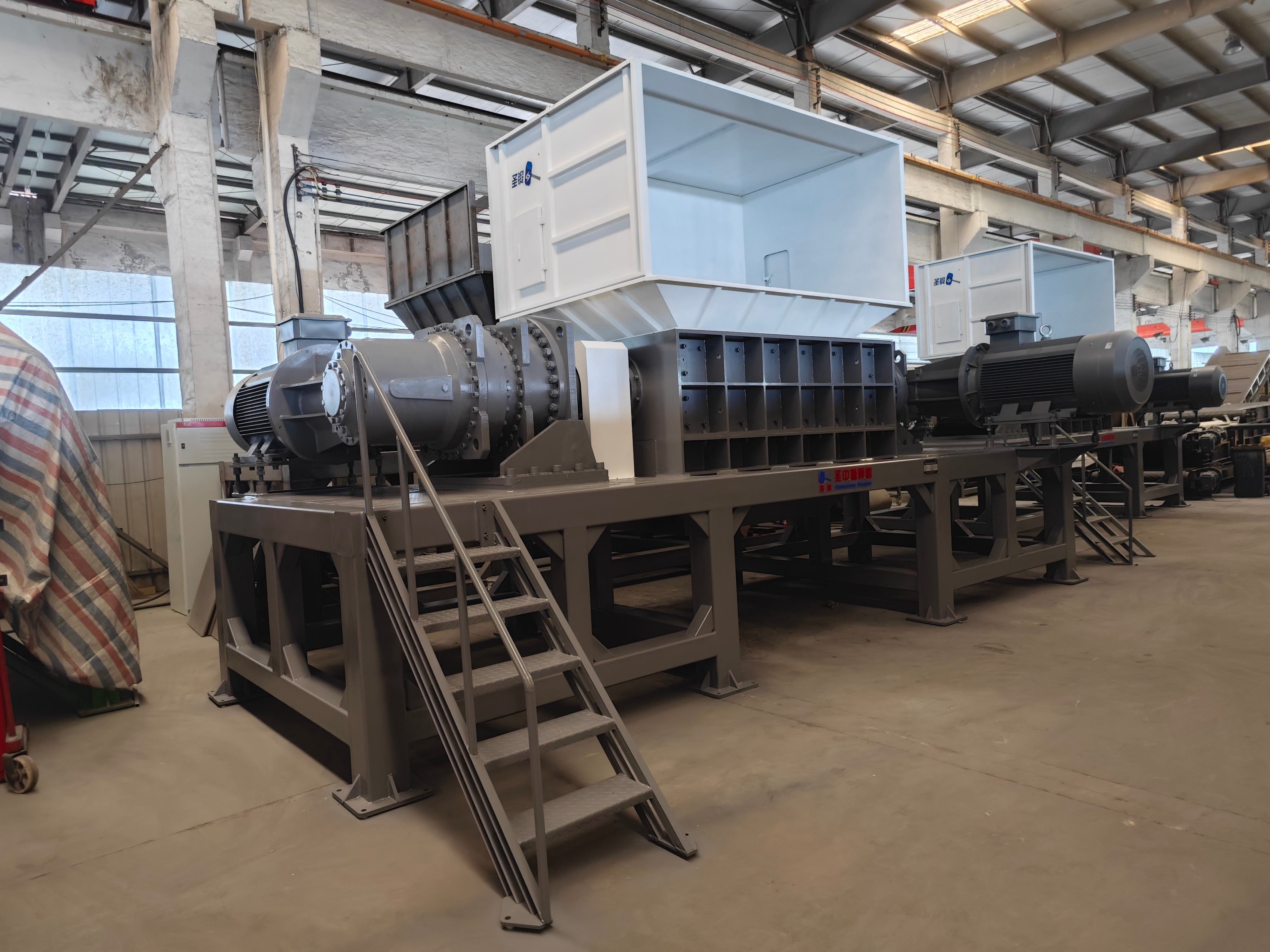
Every operation has its own rhythm—unique workflows, specific constraints, and goals that a generic solution simply can't address. Off-the-shelf tools might check a few boxes, but they often force you to adapt your processes to the software, rather than the other way around. When precision, efficiency, and seamless integration matter, a tailored approach isn't a luxury; it's a necessity. We build solutions that fit into your existing ecosystem, respecting the way you already work while eliminating friction points that mass-market products overlook.
Custom development isn't about reinventing the wheel—it's about crafting the exact wheel your vehicle needs. Whether you're dealing with legacy systems that must remain in place, niche industry requirements, or a competitive edge that hinges on a singular feature, cookie-cutter platforms fall short. Our process starts with listening: understanding your operational DNA, then engineering a solution that aligns precisely with your objectives. The result is a tool that feels intuitive to your team, reduces training time, and scales as you grow, without the bloat of unnecessary features.
The real cost of off-the-shelf software often hides in workarounds, inefficiencies, and missed opportunities. A tailored solution, on the other hand, becomes a strategic asset—one that evolves with your business. We focus on outcomes, not just outputs, ensuring that every line of code serves a purpose within your operation. When standard options can't keep pace with your ambition, it's time to build something that can.
Beyond the Sale: Service That Keeps You Running
A purchase is just the opening chapter. What truly defines a partnership is the ongoing attention you receive long after the transaction. Our commitment doesn’t fade once the packaging is recycled—we stay by your side, ensuring every component works as hard as you do. From proactive maintenance checks to real-time support, we’re built to keep disruptions off your calendar and confidence in your workflow.
Downtime isn’t an abstract cost; it’s the missed opportunity, the delayed promise, the extra hour someone spends firefighting instead of creating. That’s why our service model revolves around anticipating needs before they become problems. With a network of technicians who speak your language—not just scripts—and a supply chain designed for speed, we turn potential setbacks into minor footnotes rather than full-blown crises.
It’s about more than fixing what breaks. We actively look for ways to refine your operations, suggesting subtle adjustments that compound into lasting efficiency. When you grow, our solutions scale with you, flexing around new demands without requiring a complete overhaul. That’s the kind of reliability that quietly empowers your team to focus on what’s next—knowing the foundation beneath them is solid, responsive, and always on.
Innovation in Cutting: Rethinking What's Possible
Advancements in blade geometry, coating technology, and automation have shattered the old limits of what cutting tools can achieve. Where once we accepted trade-offs between speed and precision, new materials like polycrystalline diamond and cubic boron nitride enable machining operations that blend both. Far from incremental gains, these innovations redefine the very nature of material removal, allowing manufacturers to slice through hardened alloys with the ease once reserved for soft metals.
Beyond material improvements, the integration of sensor-driven feedback and real-time data analytics is altering how we approach cutting processes. Tools now report their own wear, adjusting parameters on the fly to maintain exacting tolerances without human intervention. This shift toward autonomous machining not only extends tool life but also unlocks geometries and surface finishes that were previously deemed impractical. It’s a move from reactive to predictive—where the machine learns the material as it cuts.
Perhaps most transformative is the convergence of additive manufacturing with subtractive finishing. Complex internal channels and lightweight lattice structures, impossible to produce using traditional methods, can now be printed near-net-shape and then precision-cut to final dimensions. This hybrid approach dissolves the boundary between “making” and “shaping,” opening the door to components that are stronger, lighter, and more efficient than anything imagined a decade ago. Rethinking cutting, it turns out, means rethinking making itself.
Safety First, but Not at the Cost of Productivity
Finding the sweet spot between rigorous safety protocols and operational efficiency often feels like walking a tightrope. Too many restrictions, and workers may feel micromanaged, leading to frustration and corners being cut. Too few, and you risk incidents that can grind everything to a halt. The goal isn’t to choose one over the other—it’s to weave safety so seamlessly into daily routines that it becomes an invisible partner, not an obstructive gatekeeper.
Many organizations still treat safety measures as an afterthought, bolted onto existing processes like bulky armor. This approach almost guarantees a clash with productivity. When checklists grow longer than the tasks themselves, or protective gear slows movements to a crawl, people naturally look for shortcuts. The smarter route is to design workflows where safety and speed complement each other—think ergonomic tools that reduce strain while boosting output, or clear, visual cues that eliminate confusion without requiring a manual.
The best safety cultures don’t just rule by fear of punishment; they empower everyone to spot hazards and suggest improvements. When a frontline worker can say “this barrier is making my job harder without making me safer” and be heard, you get practical refinements that protect both people and throughput. It’s about fostering an environment where minor tweaks are ongoing, not big-bang overhauls that disrupt everything. In the end, productivity isn’t the enemy of safety—inflexibility is.
Green Shredding: Efficiency Meets Environmental Responsibility
Modern shredding technology has evolved far beyond simple motorized blades. Today’s eco-conscious models integrate energy-efficient motors that slash power consumption without sacrificing torque, making them ideal for high-volume office environments. By intelligently adjusting power draw based on load, these machines keep operational costs down while quietly handling stacks of paper, credit cards, and even optical discs. It’s a practical marriage of performance and planet-friendly engineering that doesn’t force you to choose between speed and sustainability.
Beyond the mechanics, responsible shredding now means closing the loop on waste. Many units feature separate bins for paper and non-paper materials, streamlining the recycling process right at the point of disposal. Shredded paper is collected cleanly, free of plastic contaminants, so it can be fed directly into recycled paper production. Some manufacturers even partner with reprocessing facilities, offering take-back programs for filled bags. This transforms a routine office task into a tangible contribution to circular economy goals, one sheet at a time.
Noise and dust, often overlooked, are also part of the environmental equation. Advanced sound-dampening designs make late-night shredding feasible without disturbing the whole floor, while sealed waste compartments and fine-particle filters keep air quality intact. By reducing audible and airborne pollution, these shredders create a healthier workspace and minimize the unseen footprint of document disposal. In the end, green shredding isn’t just about the machine—it’s about rethinking a daily habit to align with broader sustainability commitments.
FAQ
You rely on these machines for heavy-duty tasks, so a robust build with high-grade steel and precision welding directly translates to fewer breakdowns and longer service life. The best manufacturers don’t cut corners on materials or craftsmanship, which means less downtime for your operations.
Exceptional manufacturers treat the sale as the start of a long-term partnership, not a one-time transaction. They offer rapid-response service teams, easy access to spare parts, and proactive maintenance checks. This level of support ensures your shredder keeps running at peak performance with minimal disruptions.
Every facility has unique waste streams and throughput needs. Leading manufacturers don't force you into a generic model; instead, they analyze your specific materials, volume, and layout to tailor a solution. This bespoke approach optimizes efficiency and often pays for itself through higher productivity.
Absolutely. The best names in the industry go beyond basic emergency stops. Look for intelligent sensors that detect overloads or foreign objects, automatic reversing systems to prevent jams, and enclosed cutting chambers. These features protect your workforce and prevent costly damage to the machine.
It is a strong indicator of quality control. Manufacturers that keep design, engineering, and fabrication in-house can monitor every step of the process. This typically results in tighter tolerances, faster problem-solving, and a genuine pride in the product that's hard to match with outsourced assembly.
While not the only factor, a long history often reveals a proven track record of reliability. Check for case studies in your sector—whether it's tire recycling, medical waste destruction, or e-waste processing. The best manufacturers can demonstrate successful installations and long-term client relationships.
Top-tier manufacturers embed smart technology like IoT monitoring, data analytics, and remote diagnostics. This lets you track performance metrics, predict maintenance needs, and adjust settings remotely. It’s a leap from simple mechanical shredding to intelligent waste management that boosts overall operational efficiency.
Definitely. With rising energy costs and sustainability goals, the best manufacturers design shredders with high-efficiency motors, intelligent power management, and modes that reduce consumption during idle times. This not only lowers your carbon footprint but also significantly cuts operating expenses over time.
Conclusion
When selecting an industrial shredder manufacturer, the difference often lies in the engineering philosophy behind the machines. The best providers refuse to cut corners, literally and figuratively. They invest in robust, enduring designs where every component—from the cutting chamber to the drive system—is built to withstand relentless use without compromising precision. Instead of pushing generic solutions, they take the time to understand your material streams, throughput demands, and facility constraints, then craft a system tailored to those exact needs. This bespoke approach extends to the cutting technology itself, with innovations in rotor geometry, tool materials, and smart monitoring that push efficiency beyond what off-the-shelf models can achieve. Such manufacturers treat shredding as a science, constantly rethinking what’s possible to deliver a machine that doesn’t just work today but adapts as your operation evolves.
Yet what truly sets the leaders apart happens after installation. They offer proactive service that minimizes downtime—think remote diagnostics, readily available parts, and technicians who know your machine intimately. Crucially, they also balance aggressive throughput with unwavering safety, integrating intelligent sensors and guarding that protect workers without creating bottlenecks. Today, this commitment extends to environmental stewardship: the best shredders are designed for energy efficiency and seamless integration with recycling and waste-to-energy processes, turning a necessary industrial task into a sustainable advantage. In the end, the top manufacturers don’t just sell you a shredder; they become a partner in your operational success, ensuring you’re up, running, and responsible for the long haul.
Contact Us
Contact Person: Leon
Email: [email protected]
Tel/WhatsApp: 8615385558866
Website: https://www.shred-waste.com