
MCM Stone Veneer for Exterior Walls: The Industry’s Premier Cladding Choice
2026-08-09
Exterior walls define a building’s character, but finding cladding that balances natural beauty with lasting durability is a constant challenge. Magic Stone’s MCM stone veneer changes the game—delivering the authentic look and texture of real stone without the weight, cost, or installation headaches. In this post, we explore why it’s become the premier choice for architects and builders worldwide.
The Shift Toward Lightweight Stone Solutions
The building industry is quietly undergoing a material revolution where heavyweight stone is being sidelined by smarter, thinner alternatives. Traditional stone, for all its grandeur, often demands thick slabs, heavy machinery, and costly structural support. Today, architects and designers are gravitating toward lightweight stone solutions that preserve the authentic look and feel of natural stone while eliminating the logistical headaches. These innovations are not just about shaving off pounds—they’re reshaping how we think about cladding, furniture, and even portable decor.
What’s driving this shift is a mix of practical necessity and creative freedom. Lightweight stone composites, often made by bonding a wafer-thin layer of real stone to aluminum honeycomb or fiberglass backing, deliver the same tactile surface as a solid slab but at a fraction of the weight. This means faster installation, reduced shipping costs, and the ability to apply stone in places that were previously off-limits—think elevator interiors, yacht paneling, or high-rise facades where every kilogram matters. It’s a solution that doesn’t compromise on luxury; if anything, it widens the design playground.
Beyond convenience, there’s a sustainability angle that gets less attention but matters just as much. Quarrying and transporting solid stone has a hefty carbon footprint, and by maximizing the use of a single block—slicing it into ultra-thin veneers that can cover far more surface area—lightweight solutions make the same natural resource go further. Some producers even use stone offcuts that would otherwise be discarded. It’s a quiet win for circular thinking, wrapped in a sleek, modern package that fits the way we build and live now.
How MCM Veneer Replicates Nature’s Best Textures
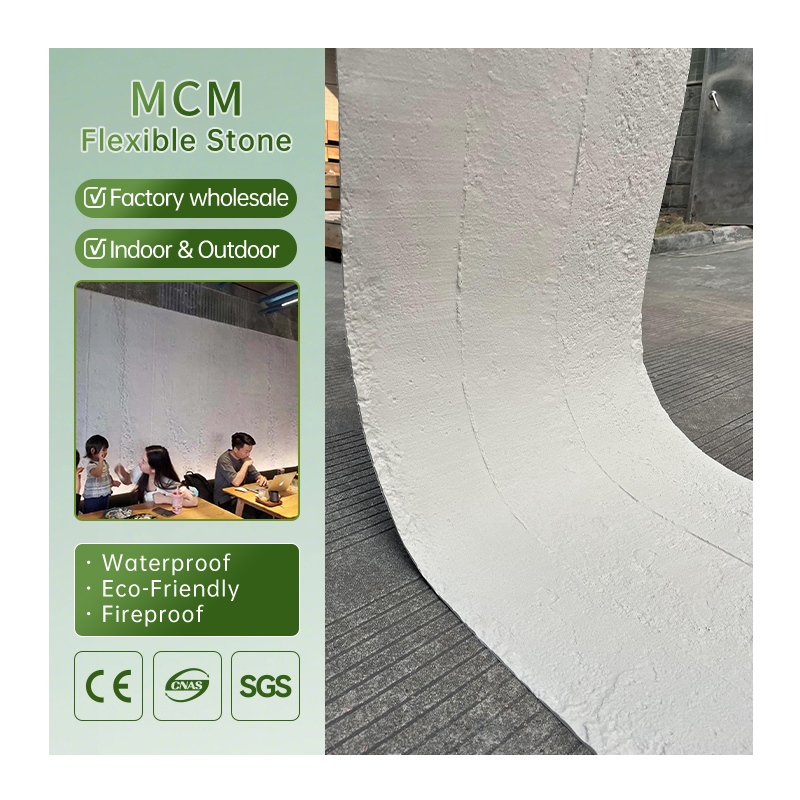
The magic of MCM veneer lies in its ability to mirror organic surfaces with uncanny precision. Instead of printing a flat image, manufacturers use advanced embossing techniques that create physical depth, matching the subtle ridges of oak bark or the irregular grain of walnut. This process goes beyond decoration—it involves studying real wood, stone, and even leather under high-resolution scans to capture every nuance, from tiny pores to weathered cracks. The result is a material that not only looks like nature but also feels like it, inviting touch as much as sight.
Authenticity comes from overlaying texture with layered coloration. Unlike standard laminates, MCM veneer applies multiple translucent tones that interact with the embossed surface, so light plays off the peaks and valleys just as it would on raw timber. This handcrafted approach means no two sheets are exactly alike, reflecting the randomness found in trees and rock formations. Even the finish—whether matte or subtly lustrous—is calibrated to avoid that plastic sheen, ensuring the product remains indistinguishable from its natural counterpart until you notice its lighter weight and surprising durability.
Exterior Cladding That Defies Weather and Time
Finding materials that hold up against relentless sun, pounding rain, and frigid winters without constant upkeep is a genuine challenge. Many products fade, warp, or crack within a few seasons, leaving a building looking tired and neglected. But there are options out there that almost seem to shrug off the elements—keeping their color, texture, and structural integrity year after year. It’s not magic; it’s just thoughtful engineering using dense stone composites, thermally treated timber, or high-performance metals that naturally resist decay. When you spot a facade that still looks crisp a decade later, chances are it was chosen with an eye on how time and weather act on a surface.
A cladding system that truly defies weathering does more than just sit there—it actively manages moisture, blocks UV degradation, and expands and contracts without stress. Modern fiber cement panels, for instance, can mimic the look of wood or stucco while being impervious to rot and insects. Similarly, terracotta rainscreens create a ventilated cavity that lets walls breathe, preventing the buildup of condensation that silently destroys sheathing. The clever part is often hidden: an air gap, a clever joint design, or a baked‑on coating that self‑cleans with rainfall. These layers of resilience mean that the building envelope remains sound and sharp, even after decades of coastal salt spray or sub‑zero freeze‑thaw cycles.
The best part about such tough exteriors is how they free owners from the tyranny of repainting and resealing schedules. Instead of pencil‑in maintenance every five years, you can forget about the walls and focus on the space inside. That kind of liberation comes from picking a cladding that was designed for your climate’s worst—not just its average. True timelessness isn’t about resisting change; it’s about embracing materials that mellow gracefully, acquiring a patina that adds character rather than deterioration. When a building can stand through decades of storms and still draw admiration, you know the cladding did its job quietly, without fanfare.
Designing Facades Without the Weight or Wait
Lightweight facade systems have completely reshaped how architects approach building exteriors. Instead of relying on heavy masonry or poured concrete, you can now wrap structures in materials that are both structurally efficient and visually striking. Think thin stone veneers, high-pressure laminates, or even engineered timber—these options slash the load on the building’s frame and speed up installation dramatically. There’s no need to wait for months while a traditional facade takes shape; with panelized systems, entire sections arrive on site ready to clip into place, often within days.
What’s really changed the game is the integration of digital fabrication and parametric design. We’re no longer limited by the constraints of manual craftsmanship or standard sizing. Complex geometries, gradients, and perforated patterns can be cut or molded with exacting precision off-site, eliminating the typical delays tied to weather or on-site adjustments. This means you can achieve a high-end custom look without the usual timeline blowouts. The process is more like assembling a puzzle than building from scratch—repeatable, predictable, and surprisingly flexible when changes come up late in the design phase.
Equally important is the way these systems let you dial in performance without piling on layers. A single ventilated facade panel can handle thermal insulation, moisture control, and UV protection all at once, doing away with the need for extra cladding or frequent maintenance. Because the fixing systems are often hidden and engineered for rapid alignment, you trim weeks off the construction schedule while still hitting tight energy codes. The result is a facade that arrives fast, looks deliberate, and stands up to the elements without feeling heavy or looking like it was rushed into place.
A Greener Approach to Stone Architecture
Stone has always carried a sense of permanence, but its environmental cost often goes unnoticed. Quarrying and transporting heavy blocks consumes immense energy and scars landscapes. A greener approach begins with rethinking the supply chain—sourcing stone locally, repurposing demolition waste, or using thinner, lightweight cladding instead of massive load-bearing blocks. These shifts can dramatically lower embodied carbon without sacrificing the material’s natural strength or aesthetic appeal.
Modern stone architecture is also rediscovering traditional techniques that require no mortar or synthetic binders. Dry-stone construction and interlocking systems allow structures to be dismantled and rebuilt elsewhere, making the material truly circular. Designers are combining these methods with digital fabrication, cutting stone with precision to minimize offcuts and dust. The result is a quieter, more thoughtful use of resources where every fragment finds a purpose.
Beyond structural honesty, a greener stone building works with the climate rather than against it. High thermal mass regulates indoor temperatures naturally, reducing reliance on mechanical heating and cooling. When architects treat stone as part of a living system—integrating it with green roofs, natural ventilation, and passive solar design—the material’s ecological footprint shrinks even further. In the right hands, stone becomes not just a symbol of durability, but a champion of low-impact, long-lasting architecture.
The Architect’s Choice for Modern Exteriors
When architects sit down to sketch the outer skin of a building, they're really chasing a feeling. It's not just about waterproofing or insulation codes—it's about how the light slides across a facade at dusk, or the way a material seems to float despite its weight. Modern exteriors demand a kind of alchemy: a blend of precision engineering and raw, tactile presence that turns a structure into a landmark before anyone even walks through the door. The architect's choice is never a default setting; it's a deliberate move to carve out identity in a crowded skyline.
There's a quiet rebellion in today's material palettes. Forget the predictable curtain wall—now it's about weathering steel that blooms with rust, or glass that shifts from transparent to opaque with a current. Architects are mixing high-tech composites with stone quarried from the very region the building occupies, creating a dialog between the future and the ground beneath. It's not about showing off; it's about subtle theater. A recessed joint here, a shadow gap there—these decisions read almost like punctuation in a sentence, giving the exterior a voice that's unmistakable.
Yet for all the poetry, the pragmatism runs deep. The chosen skin has to stand up to decades of rain, heat, and the micro-shifts of a warming planet, all while losing none of its crisp intent. That's why architects gravitate toward systems that breathe naturally, that age gracefully rather than degrade. Whether it's a terracotta rainscreen that self-cleans or a ventilated double facade that cuts energy loads, the modern exterior is a performance piece—one where the spotlight never dims, and the reviews are written in durability and quiet elegance.
FAQ
Its ability to replicate authentic stone textures while being far lighter reduces structural load and simplifies installation without sacrificing the natural look.
There’s no need for heavy machinery or specialized masonry skills. Panels can be cut with standard tools and installed directly onto prepared surfaces using common adhesives or mechanical fasteners.
Absolutely. It’s engineered to resist fading, cracking, and moisture intrusion, maintaining its appearance through freeze-thaw cycles and intense UV exposure.
It comes in a wide range of colors and profiles, from rugged fieldstone to sleek contemporary lines, letting you match regional architectural styles or create a completely unique facade.
Maintenance is minimal—usually just occasional rinsing with a garden hose to clear dust. There’s no need for sealing or repainting over the years.
Upfront pricing is often lower than quarried stone, and savings grow over time due to faster installation and negligible maintenance, making it a smart investment.
Many products use recycled content and lightweight construction reduces transportation emissions, plus their longevity means less frequent replacements.
Focus on proper surface preparation and compatibility with existing structures. Following the manufacturer’s guidelines ensures optimal adhesion and a lasting finish.
Conclusion
As modern architecture moves toward lighter, more sustainable materials, MCM stone veneer has emerged as the premier choice for exterior cladding—offering the authentic look of natural stone without the weight, cost, or installation challenges. Its advanced manufacturing process captures every grain and texture of quarried stone, delivering finishes indistinguishable from the real thing, even upon close inspection. This lightweight solution not only speeds up construction but also eliminates the need for structural reinforcements, making it ideal for both new builds and retrofits. Once installed, it stands up to extreme weather, UV exposure, and freeze-thaw cycles with zero maintenance, preserving its beauty for decades.
Beyond its practical advantages, MCM veneer transforms design possibilities by freeing facades from the limitations of heavy masonry. Architects can now create sweeping, uninterrupted stone surfaces on any structure—even those that could never support real stone—while dramatically reducing project timelines. The product’s eco-friendly composition, often incorporating recycled content and low-VOC components, aligns with green building standards and contributes to LEED certification. It’s no surprise that leading architects and designers increasingly specify MCM stone veneer as their go-to cladding for modern exteriors, where style, performance, and responsibility converge in one versatile material.
Contact Us
Contact Person: Vito
Email: [email protected]
Tel/WhatsApp: 86 13088879266
Website: https://www.magicstonemcm.com