Narrow Strip Mill Innovations: Boosting Efficiency in Steel Production
2026-03-04
In the competitive landscape of steel production, efficiency and precision are paramount. This blog explores groundbreaking innovations in narrow strip mill technology, a key area driving industry evolution. At GRM, we're committed to delivering cutting-edge solutions that optimize operations and enhance output quality. Discover how these advancements can transform your processes—let's dive in and uncover the future of steel manufacturing together.
Advanced Automation Systems in Narrow Strip Mills
In narrow strip mills, the integration of advanced automation systems has revolutionized production by enhancing precision and efficiency through real-time data monitoring and adaptive control mechanisms. These systems utilize sophisticated sensors and AI-driven algorithms to adjust rolling parameters on the fly, minimizing material waste and ensuring consistent quality across batches. By automating temperature regulation, speed adjustments, and tension control, mills can achieve tighter tolerances and faster turnaround times, meeting the stringent demands of industries like automotive and electronics.
A key advantage of these automation setups is their ability to facilitate remote operation and predictive maintenance, reducing downtime and operational costs significantly. Through interconnected networks of PLCs and SCADA interfaces, operators gain comprehensive oversight of the entire process, from coil entry to finished product exit. This connectivity allows for seamless integration with supply chain management tools, optimizing inventory levels and delivery schedules based on real-time production data, thereby improving overall plant responsiveness and customer satisfaction.
Moreover, the deployment of advanced automation supports sustainable practices by optimizing energy consumption and reducing emissions through intelligent load balancing and waste heat recovery systems. Customizable software platforms enable mills to tailor automation strategies to specific product requirements, fostering innovation in material handling and finishing processes. As narrow strip mills continue to adopt these technologies, they position themselves at the forefront of manufacturing agility, capable of adapting swiftly to market shifts and technological advancements without compromising on quality or safety standards.
Enhanced Rolling Technologies for Superior Steel Quality
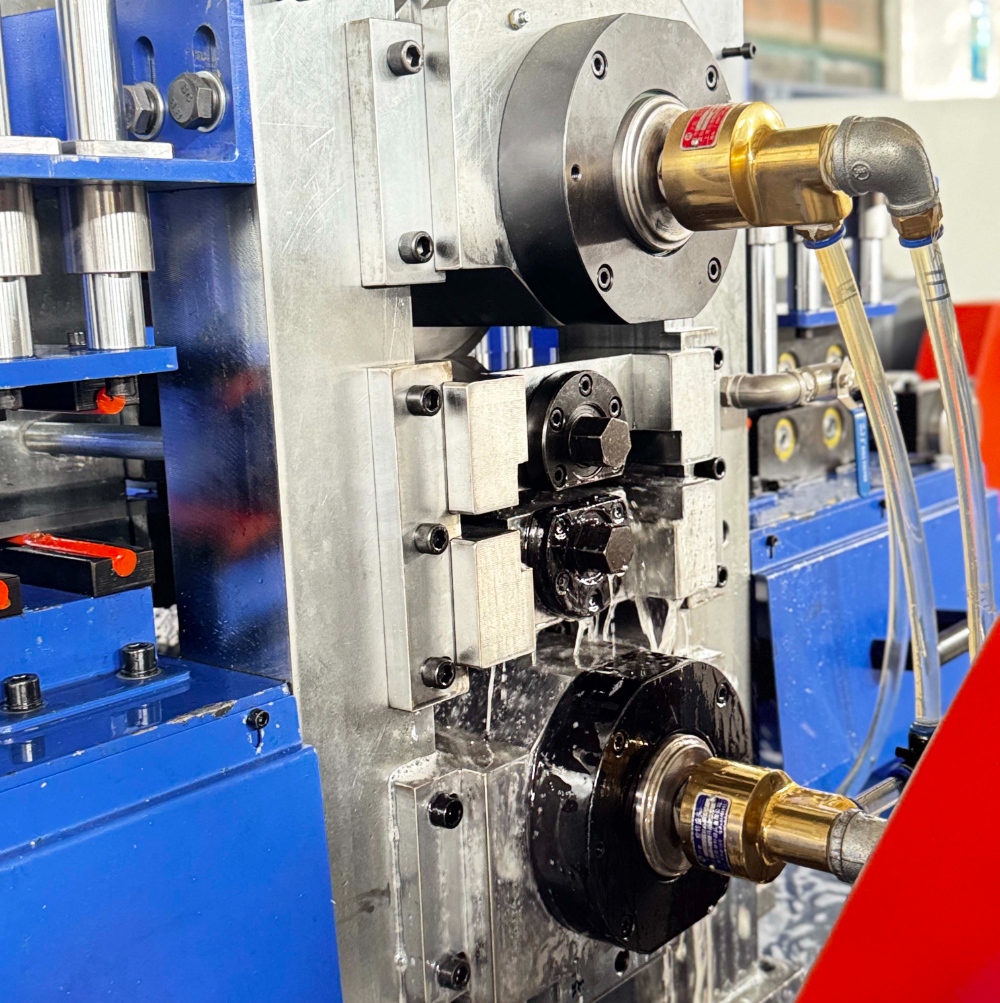
In the world of steel manufacturing, rolling processes have evolved dramatically to meet the demands for higher quality and performance. Enhanced rolling technologies, such as ultra-precise gauge control and automated shape correction systems, enable producers to achieve tighter tolerances and more uniform microstructures. This directly translates to steel with improved mechanical properties, reduced internal stresses, and enhanced surface finishes, which are crucial for applications ranging from automotive bodies to heavy machinery. By integrating advanced sensors and real-time data analytics, these technologies allow for continuous monitoring and adjustment, ensuring consistency and precision that manual methods simply cannot match.
Beyond basic rolling techniques, innovations like hot rolling with accelerated cooling or cold rolling with sophisticated annealing cycles further refine steel's characteristics. For instance, controlled cooling rates after hot rolling can fine-tune grain size and phase distribution, boosting strength without sacrificing ductility. Similarly, modern cold rolling mills, equipped with high-torque drives and precision tension control, produce thinner, smoother sheets that are ideal for consumer electronics or packaging materials. These advancements not only elevate steel quality but also reduce energy consumption and waste, making the process more sustainable and cost-effective in competitive markets.
What truly sets today's enhanced rolling apart is the seamless integration of digital tools and material science insights. By leveraging machine learning algorithms, manufacturers can predict and optimize rolling parameters for specific steel grades, minimizing defects like edge cracks or surface imperfections. This proactive approach ensures superior quality that stands out in rigorous testing, from tensile strength assessments to fatigue resistance. As industries push for lighter, stronger materials, these technologies are pivotal in delivering steel that exceeds traditional benchmarks, fostering innovation in sectors like construction, aerospace, and renewable energy.
Sustainable Practices Reducing Energy Consumption
Sustainable practices are becoming integral to modern operations, as they directly contribute to lower energy usage and environmental impact. By implementing strategies like energy-efficient lighting, smart thermostats, and renewable energy sources, businesses and households can significantly cut down on electricity and fuel consumption. These measures not only reduce utility bills but also help in decreasing carbon footprints, making them a win-win for both the economy and the planet. Over time, such initiatives can lead to a more resilient and cost-effective energy system that supports long-term sustainability goals.
Another effective approach involves optimizing building designs and infrastructure to minimize energy waste. For instance, incorporating insulation, using reflective roofing materials, and designing for natural ventilation can dramatically reduce the need for heating and cooling systems. This not only conserves energy but also enhances indoor comfort without relying heavily on artificial climate control. In industrial settings, practices like waste heat recovery and process automation further streamline energy use, turning potential losses into valuable resources that support overall efficiency and innovation.
Beyond technological solutions, behavioral changes play a crucial role in sustainable energy reduction. Simple actions such as turning off unused appliances, using energy-saving modes on devices, and promoting a culture of conservation among employees or family members can collectively lead to substantial savings. By fostering awareness and encouraging responsible habits, organizations and communities can build a foundation for continuous improvement. Ultimately, these combined efforts create a holistic framework that not only tackles immediate consumption but also inspires ongoing adaptation to emerging challenges in energy management.
Real-Time Monitoring for Predictive Maintenance
Real-time monitoring for predictive maintenance relies on sensors that track parameters like temperature, vibration, or pressure continuously. These sensors catch anomalies the moment they develop, flagging issues before they turn into breakdowns. For instance, in a manufacturing line, a slight increase in motor vibration can signal bearing wear, allowing technicians to schedule maintenance during a planned downtime rather than facing an unexpected halt. This approach moves beyond routine checks, which often miss subtle changes, enabling a more responsive and cost-effective strategy.
Implementing real-time monitoring requires a robust data infrastructure, often involving IoT devices and edge computing to process information locally. This setup reduces latency, ensuring that alerts reach teams instantly for quick action. By analyzing trends and patterns from live data, systems can even predict potential failures weeks in advance, giving ample time for preparation. Industries like energy and aerospace benefit greatly, as unplanned outages or equipment failures can lead to significant safety risks and financial losses, making proactive monitoring a critical investment.
A key advantage of this system is its ability to adapt dynamically; it can learn from new data to refine prediction models, improving accuracy over time. Unlike static maintenance schedules, real-time monitoring tailors interventions based on actual equipment condition, reducing unnecessary repairs and extending asset lifespan. This not only boosts operational efficiency but also supports sustainability by minimizing waste and resource use, making it an essential tool for modern industrial operations.
Customizable Solutions for Diverse Steel Applications
Driven by the unique demands of modern industries, we offer tailored steel solutions that adapt to a wide array of applications, from high-rise construction to precision automotive components. Our team collaborates closely with clients to understand specific environmental factors, load requirements, and durability needs, ensuring the material not only meets but exceeds project expectations.
Leveraging advanced metallurgical expertise, we specialize in customizing steel grades, dimensions, and surface treatments to optimize performance in sectors like energy, transportation, and manufacturing. This flexibility allows for innovative designs that enhance efficiency, reduce waste, and improve safety across diverse settings, making it a go-to choice for complex engineering challenges.
By focusing on adaptability and client-driven innovation, our solutions empower businesses to tackle evolving market demands while maintaining cost-effectiveness. Whether it's developing corrosion-resistant alloys for marine environments or lightweight, high-strength variants for aerospace, we ensure every steel application benefits from a precise, purpose-built approach that delivers superior results.
Future Trends Shaping Narrow Strip Mill Development
The narrow strip mill sector is witnessing a shift toward greater automation and digital integration, driven by the need to boost efficiency and reduce operational costs. Mills are increasingly adopting advanced sensors and IoT technologies to monitor production lines in real-time, allowing for precise adjustments that minimize waste and enhance product quality. This trend not only streamlines manufacturing processes but also supports predictive maintenance, helping to avoid unplanned downtime and extend equipment lifespan.
Sustainability has become a key focus, with mills investing in eco-friendly practices such as energy-efficient machinery and recycling systems. Innovations in material science are enabling the production of lighter, stronger strips for applications in automotive and electronics, meeting stricter environmental regulations while catering to market demand for greener products. These efforts are reshaping how mills operate, positioning them as leaders in the push toward reduced carbon footprints across industries.
Customization and flexibility are emerging as critical trends, as mills adapt to supply chains that require smaller, specialized batches. Through modular designs and agile manufacturing techniques, producers can quickly switch between different strip specifications without sacrificing speed. This adaptability is crucial in responding to rapid market changes and consumer preferences, ensuring that narrow strip mills remain competitive in a dynamic global landscape.
FAQ
Advanced automation systems and predictive maintenance tools now optimize operations, reducing downtime and increasing output.
They utilize energy-efficient processes and recyclable materials, cutting waste and lowering carbon footprints significantly.
Key hurdles include integrating new technologies with legacy equipment and adapting to fluctuating market demands for specialized steels.
Yes, high-precision rolling and tension control systems have enhanced product quality while minimizing material loss.
Narrow strip mills often have lower initial setup and operational costs, making them ideal for niche production needs.
Digital tools like real-time monitoring and data analytics enable better decision-making and process fine-tuning for improved efficiency.
Conclusion
Narrow strip mills are undergoing transformative innovations that significantly boost efficiency in steel production. Advanced automation systems streamline operations, enabling precise control and reducing manual intervention, which enhances throughput and consistency. Coupled with enhanced rolling technologies, these mills achieve superior steel quality by refining microstructure and mechanical properties, ensuring products meet stringent industry standards. Real-time monitoring systems further support this by enabling predictive maintenance, minimizing downtime and preventing unexpected failures through continuous data analysis and early issue detection. This integrated approach not only optimizes performance but also lays the groundwork for sustainable practices that reduce energy consumption and environmental impact.
Looking ahead, customizable solutions cater to diverse steel applications, allowing mills to produce tailored products for sectors like automotive and construction with greater flexibility and efficiency. Future trends in narrow strip mill development, driven by digitalization and AI integration, promise even higher precision, adaptability, and resource efficiency. By harmonizing these elements, innovations in narrow strip mills not only elevate productivity but also foster a more sustainable and responsive steel industry, poised to meet evolving global demands while maintaining competitive edge and operational excellence.
Contact Us
Contact Person: Rayna
Email: [email protected]
Tel/WhatsApp: 86 -173 1474 6343
Website: https://www.grmrollingmill.com/