
OEM Gate Valve Factory: A Complete Guide to Custom Manufacturing
2026-09-13
Most gate valve suppliers treat OEM as a buzzword—swap a logo, adjust a flange size, and call it custom. But if your application involves abrasive slurries, cryogenic temperatures, or zero-leakage requirements, that approach fails fast. At ZMV, we build every valve from the material up, matching your pressure class, end connections, and actuation needs without forcing you into pre-designed molds. This complete guide to custom manufacturing shows how a true OEM partner should operate—and what to look for before you commit.
Decoding the OEM Landscape: What Separates a Parts Supplier from a True Manufacturing Partner
Most companies can sell you a bracket, a housing, or a machined flange. They'll quote a drawing, ship a box, and call it a day. That transactional approach works fine when you only need a part. It falls apart when you need a partner—someone who flags a tolerance issue before it becomes a line stoppage, suggests a material swap that shaves 12% off cost without weakening the design, or calls you on a Tuesday because they noticed your forecast jumped and want to lock in capacity. That’s the real dividing line in the OEM world: not whether a supplier has the right CNC machine, but whether they treat your product like their own.
A parts supplier follows your spec. A manufacturing partner interrogates it. They ask why a radius is called out at 0.5mm when the mating component only needs 0.3, or why you're paying for a surface finish on a face that never sees contact. They build a history with your prints, your assembly quirks, your field failures. Over time, they start spotting risks you didn't see—supply chain bottlenecks, heat-treat inconsistencies, a plating spec that ages poorly in humid climates. They don't just react to your PO. They shape your BOM.
So how do you tell them apart before you're six months deep and missing shipments? Look at how they communicate. A supplier sends an invoice and a tracking number. A partner sends a weekly update with photos, a note about tool wear, and a question about next quarter's design change. Look at how they handle problems—do they hide a scrap issue until you audit, or do they call you the same day with a root cause and a corrective action already in motion? And look at how they price. A supplier quotes per part. A partner quotes per project, absorbing some engineering time upfront because they know the payoff is a decade-long relationship, not a one-off PO. That's the difference. The landscape is crowded with suppliers. Partners are rare because they earn it, not because they advertise it.
From Spec Sheet to Shop Floor: How Custom Gate Valves Take Shape
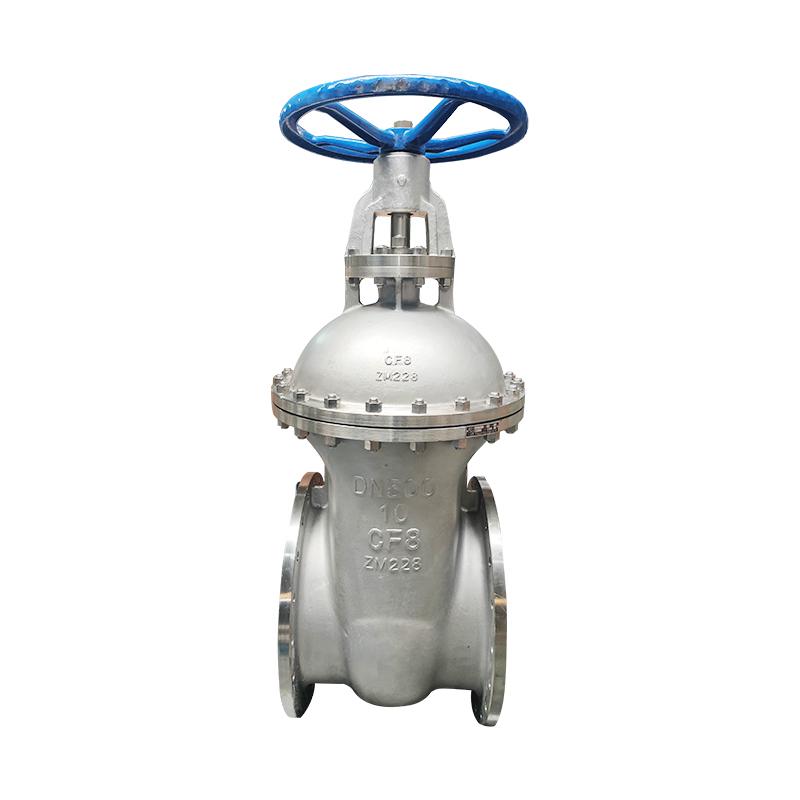
The journey begins with a spec sheet that rarely tells the whole story. Engineers pore over flange ratings, pressure classes, and trim materials, but the real work is interpreting what the customer didn’t write down—like expected debris in the line or a particular maintenance routine. A custom gate valve order often carries non-standard dimensions, a special seat overlay, or a need for reduced operating torque. During design review, the team might discover that a standard yoke won’t clear the customer’s gearbox, so the top flange gets reworked before any metal is cut.
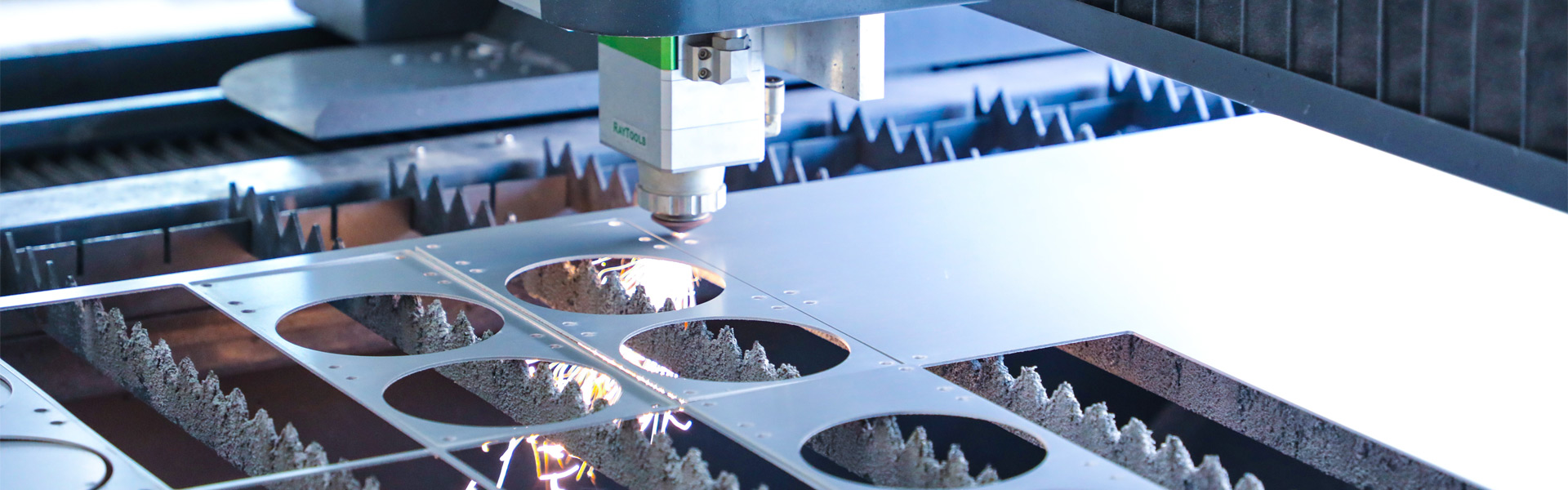
On the shop floor, patternmaking sets the tone. For one-off or small-batch gate valves, sand casting with a CNC-machined pattern gives the flexibility to tweak wall sections or add lifting lugs without starting from scratch. Alloy selection is critical—some clients specify CF8M for corrosion resistance, while others need duplex stainless for chloride stress cracking. Melt temperatures are logged pour by pour, and rough castings are held for radiographic inspection before machining. Once a casting passes, machining centers cut the body seat pockets and guide channels in a single setup, holding tolerances that determine how tightly the disc will seal later.
Assembly is where custom details converge. The stem, gate, and seating surfaces are matched to the order, not pulled from a bin. Every valve gets hydrostatic and pneumatic testing, and some customers require cryogenic cycles or elevated-temperature leakage checks. Finally, a permanent traceability code is stamped on the body, and the valve ships with material certs and a dimensional report tied to the original spec. From that first spec sheet to the wrapped skid, the process is less a production line and more a disciplined conversation between engineering, foundry, and machine shop.
Material Matters: Selecting Alloys and Trims for Demanding Service Conditions
Alloy selection for harsh service rarely comes down to a single datasheet comparison. A 316 stainless valve body may pass a basic salt-spray test yet pit within months when exposed to wet chloride residues at 60°C. In such cases, moving to a duplex grade like 2205 or a superaustenitic 6% Mo alloy changes the corrosion mechanism from localized attack to stable passivity. Trace elements also skew performance: a heat of 17-4 PH with sulfur at the upper limit will machine easily but lose toughness in thick sections after H900 aging.
Trims and surface treatments often determine whether a well-chosen base alloy survives. Hard chrome plating on carbon steel works for mild abrasion but cracks under cyclic thermal loading, letting moisture reach the substrate. Electroless nickel with 10-12% phosphorus offers better coverage in blind holes and resists acidic attack, though its hardness drops above 400°C. For valve seats and stems, a cobalt-based overlay like Stellite 6 remains a workhorse, but check for dilution with the parent metal—excessive iron pickup from the base can cut galling resistance by half.
Ultimately, the most reliable selections pair laboratory screening with a short field trial or rig test that replicates the actual failure mode. A pump impeller that erodes at the vane tips needs a different alloy solution than one that cracks from chloride stress corrosion. Life-cycle costing also shifts decisions: a higher initial alloy cost often disappears after the first avoided shutdown. Keep a small library of failed parts and their service histories; patterns from those teardowns beat any generic corrosion chart.
The Hidden Costs of Cutting Corners: Why Quality Control Isn't Optional
When a production line speeds up by skipping inspections, the savings look real on paper. Yet what starts as a few cents saved per unit often turns into thousands spent on replacements, recalls, and customer complaints. The math never stays simple: a single defective batch can erase months of careful budgeting. Quality control is the brake system of your operation – you don't notice it until it's missing, and by then the damage is already done.
The hidden costs aren't just financial. A team that learns shortcuts become acceptable starts cutting corners in other areas too. Morale drops when workers know they're shipping products they wouldn't buy themselves. Word spreads fast, and soon your brand becomes synonymous with “good enough.” Rebuilding that trust takes years, while the competitor who kept their standards high quietly wins the clients you assumed were loyal.
No one budgets for the late-night call from an angry distributor or the legal fees from a liability claim. Those costs don't show up in the original project plan, but they arrive with interest. Quality control isn't a luxury for companies with extra cash – it's the cheapest insurance you can buy. Every dollar spent on prevention returns ten in avoided chaos.
Beyond the Drawing: Engineering Support That Shortens Your Time-to-Market
Most delays don't come from the drawing itself—they come from what happens after it leaves the designer's desk. Our engineering team treats every sketch as a working assumption. We run tolerance stack-ups, material checks, and assembly simulations before the first prototype is ever cut, catching problems that would otherwise surface weeks later on the factory floor.
The value shows up in the unglamorous details. When a housing needs a draft angle adjustment, we flag it with the exact revision and the test data behind it. When a supplier asks about surface finish, they get a process card instead of an email chain. That kind of parallel problem-solving means your prototype iterations actually converge instead of drifting.
By the time you reach pilot production, the design has already been through virtual and physical stress tests, BOM reviews, and packaging checks. You're not hoping for a smooth handoff—you've already rehearsed it.
Logistics and Lead Times: Planning Around Global Supply Chain Realities
Global supply chains rarely move at the pace promised in a spreadsheet. A quoted eight-week lead time can stretch to twelve once port congestion, customs holds, or a supplier's own material shortages enter the picture. Smart planning treats those numbers as baselines, not guarantees, and builds buffers into procurement timelines rather than assuming every link will run on schedule.
The real challenge is that lead times are not static. They shift with seasonal demand, geopolitical friction, and even the financial health of a tier-two supplier you've never met. Instead of chasing a single fixed date, teams that manage this well work with ranges: an optimistic scenario, a likely one, and a worst case that still allows the project to move forward. That range-based thinking changes how you communicate with customers and how you allocate warehouse space.
There's also a hidden cost in trying to shorten lead times too aggressively. Air freight might close a two-week gap, but it can wipe out the margin on the entire order. Sometimes the better move is to redesign the product around components that are already available regionally, or to hold safety stock for a few critical items rather than everything. Planning around global supply chain realities isn't about eliminating delays; it's about making them boring enough to manage.
FAQ
It goes well beyond machining parts from a standard catalog. The factory typically handles pattern making, casting or forging, pressure testing, and surface treatment under your brand. Some shops also manage assembly and packaging, so you receive a finished product that fits your supply chain instead of a pile of components.
Skip loose descriptions like heavy-duty or industrial grade. Send a marked-up drawing, the relevant pressure class, face-to-face dimensions, and the exact trim materials. If you can include a photo of the installation site or a failed valve from the field, the engineering team will catch issues that a spec sheet alone misses.
Carbon steel works fine for clean water and general steam lines. For brackish water or mild chemicals, consider CF8M stainless steel. If the line carries abrasive slurry, ask about a hardened gate or replaceable seat rings. Always confirm the actual temperature range, because pressure ratings drop quickly as heat rises.
A serious factory will do more than a shell test. Expect hydrostatic and pneumatic tests, dimension checks against the approved drawing, and a visual inspection of the casting for porosity or cracks. For critical orders, request a third-party witness test and full material traceability back to the heat number.
For a brand-new pattern and non-standard trim, plan for eight to fourteen weeks. If the factory already has a similar body pattern and only the connection or marking changes, four to six weeks is realistic. Rush orders are possible, but they usually mean skipping the witness test or paying for air freight.
The best ones act as engineering partners. They may suggest a thicker neck for better sealing, a different gate wedge angle for lower torque, or a coating that survives your exact media. Push them with real operating data, and you will often get a valve that costs less to maintain than the original design.
Buyers often focus on unit price and ignore the true cost of a poor casting or a missed tolerance. Another frequent mistake is accepting a test certificate without checking which standard was used. Also, avoid factories that promise unusually fast delivery for a new pattern, because they are likely reusing an existing mold without telling you.
Conclusion
Finding a genuine OEM gate valve factory means looking past the label to see whether the supplier actually controls casting, machining, assembly, and testing under one roof. Many vendors simply bolt together imported parts, but a true manufacturing partner walks you from the initial spec sheet through pattern design, core making, and finish machining, so every dimension and pressure class matches your operating conditions. That continuity matters because gate valves often handle corrosive fluids, high temperatures, or abrasive slurries; choosing the wrong body alloy or seat trim can turn a routine purchase into a costly failure. Smart buyers push for full traceability on heat numbers, pressure-test reports, and surface finish checks. Skipping those steps may lower the quote, but the resulting rework, field leaks, or unplanned shutdowns almost always erase the upfront savings.
Beyond the initial drawing, a capable OEM partner adds engineering support that shortens your time-to-market: adjusting wall thickness for weight-sensitive projects, recommending a rising stem versus non-rising design, or redesigning the wedge guide to reduce wear. This kind of input is especially valuable when your specification is still fluid, because small changes made before tooling begins save months later. Logistics play an equally important role. Overseas production can offer strong value, but long lead times and port congestion require honest forecasts, buffer stock for critical sizes, and clear Incoterms to avoid surprises. A factory that combines in-house manufacturing, rigorous inspection, and realistic delivery planning gives you more than a component; it gives you a supply chain you can actually plan around.
Contact Us
Contact Person: Lucas Lin
Email: [email protected]
Tel/WhatsApp: +8613968913000 / +8613868610141
Website: https://www.zhengmaogroup.com