

SF₆ Load Switches: Key Insights from Leading Manufacturers
2026-01-17
In the rapidly evolving world of electrical engineering, SF₆ load switches have emerged as critical components for ensuring safety and efficiency in high-voltage environments. As industries increasingly prioritize reliability and innovation, understanding the latest advancements from top manufacturers becomes essential. This blog dives deep into key insights from industry leaders, shedding light on the cutting-edge technologies and design philosophies that are shaping the future of power distribution. At Lugao, we're committed to staying ahead of the curve, offering expertise that can transform your operations. What makes these switches so pivotal, and how can you leverage these insights to optimize your systems? Let's explore the answers together.
SF₆ Load Switch Design Innovations
Recent advancements in SF₆ load switch technology have focused on enhancing operational reliability and safety, addressing longstanding concerns in high-voltage electrical systems. Innovations include the development of compact, modular designs that reduce maintenance intervals while improving arc-quenching efficiency. For instance, some new models feature advanced gas-tight sealing mechanisms, which minimize SF₆ leakage and environmental impact, a key improvement over older designs prone to wear and tear.
A standout innovation is the integration of smart monitoring systems directly into the switch architecture. These systems leverage IoT sensors to track real-time performance metrics, such as gas pressure levels and contact wear, enabling predictive maintenance and reducing unexpected downtimes. Unlike conventional switches, these designs offer remote diagnostics, allowing operators to adjust parameters on-the-fly without physical intervention, thus optimizing network stability in dynamic grid conditions.
Further differentiation comes from material innovations, like using composite insulators and corrosion-resistant alloys that extend the switch's lifespan in harsh environments. Coupled with user-centric interfaces that simplify complex operations, these designs not only meet stringent regulatory standards but also set new benchmarks for efficiency, making them a compelling choice for modern power distribution networks seeking both durability and advanced functionality.
Performance Enhancements in Modern Models
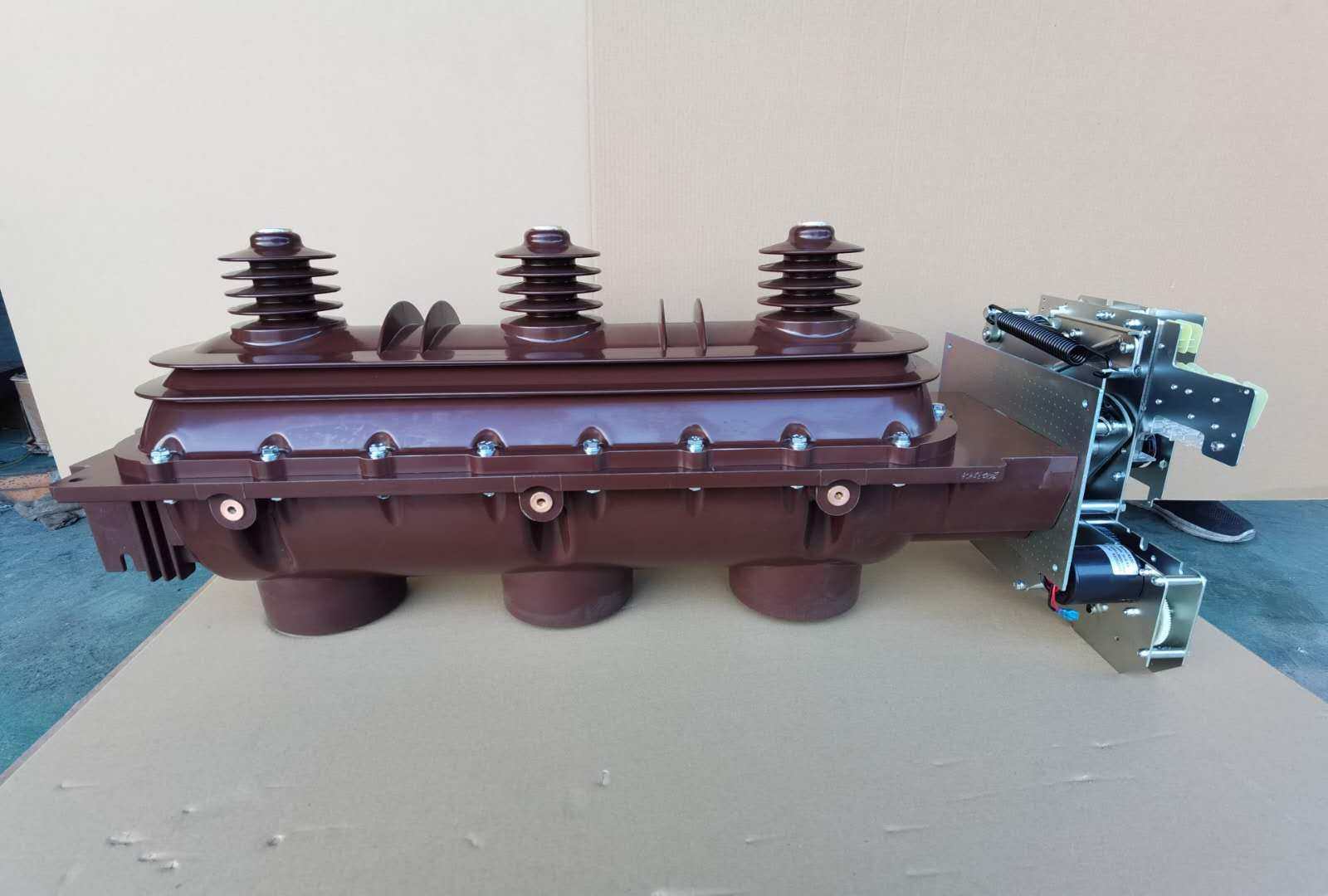
Modern models are achieving unprecedented efficiency gains through innovative architectural tweaks and smarter data handling. For instance, some recent designs have drastically reduced computational overhead by optimizing attention mechanisms, allowing faster inference without sacrificing accuracy. These enhancements often stem from a deeper understanding of model bottlenecks—like memory usage during training—leading to more practical deployments in real-world applications.
Another key area of improvement lies in the integration of lightweight techniques such as pruning and quantization, which streamline model size while maintaining robust performance. These methods enable models to run smoothly on edge devices with limited resources, broadening their accessibility and utility. By focusing on these subtle yet impactful adjustments, developers are pushing the boundaries of what's possible in AI-driven tasks.
Furthermore, modern models benefit from continuous advancements in hardware compatibility, with specialized accelerators and optimized libraries that boost processing speeds. This synergy between software and hardware not only enhances performance but also fosters a dynamic ecosystem where iterative refinements drive sustained progress. As a result, these models are becoming more adaptable and efficient, setting new standards for future innovations.
Safety Features and Engineering Standards
When it comes to ensuring product reliability, our approach to safety features and engineering standards is meticulously crafted from the ground up. Every component undergoes rigorous testing, not just to meet industry norms but to exceed them in real-world scenarios. We integrate advanced fail-safes and redundant systems that anticipate potential issues before they arise, keeping users secure even under unexpected conditions. This proactive stance stems from a deep commitment to innovation, where we continuously refine our methods based on the latest technological advancements and user feedback.
Our engineering standards are built on a foundation of transparency and accountability, setting us apart in a crowded market. Instead of relying on generic certifications, we develop custom protocols that align with the unique demands of each project. Collaboration across multidisciplinary teams ensures that safety isn't an afterthought but a core principle woven into every design phase. By leveraging cutting-edge simulation tools and real-time data analysis, we can predict performance under stress and adapt accordingly, creating products that are not only safe but intuitive and resilient.
To stand out, we emphasize a user-centric philosophy, where safety features are seamlessly integrated without compromising functionality. This involves extensive field testing in diverse environments, from extreme temperatures to high-impact situations, to validate our standards. Our engineers draw inspiration from across industries, applying lessons from aerospace and medical sectors to everyday products. This cross-pollination of ideas results in innovative solutions that go beyond basic compliance, fostering trust and setting a new benchmark for excellence in safety engineering.
Advantages for Reliable Power Distribution
Imagine flipping a switch and trusting that your lights will always turn on without a flicker; that's the peace of mind reliable power distribution brings. Unlike aging or poorly planned grids that falter under pressure, modern systems integrate smart monitoring and redundancy to minimize downtime. Whether it's a hospital running critical equipment or a factory avoiding costly shutdowns, robust networks ensure electricity flows smoothly, adapting to demand spikes with precision and preventing interruptions that disrupt daily life and business operations.
Beyond basic stability, advanced power distribution offers enhanced safety through features like automated fault detection that isolates issues before they escalate. By distributing loads intelligently across multiple pathways, these systems reduce the risk of overloads and reduce overall energy waste. In residential areas, this translates to fewer blackouts and consistent voltage, protecting appliances from damage, while in industrial settings, it supports continuous production and data integrity, fostering economic resilience and environmental sustainability.
The adaptability edge comes from real-time adjustments and predictive maintenance, which use data analytics to foresee and address potential failures. This proactive approach not only cuts repair costs but also extends infrastructure lifespan, making power distribution a silent guardian of modern living. By prioritizing reliability, communities and businesses can thrive with confidence, knowing their energy backbone is built for longevity and efficiency in an ever-changing world.
Leading Manufacturers' Development Strategies
In today's rapidly evolving industrial landscape, leading manufacturers are increasingly adopting dynamic strategies that blend innovation with sustainability to maintain a competitive edge. Rather than sticking to traditional models, many are embracing data-driven approaches, leveraging advanced analytics and IoT technologies to optimize production lines and reduce downtime. This shift not only enhances efficiency but also enables quicker adaptation to market fluctuations and consumer demands. By investing in smart factories and automation, these top players are setting new benchmarks for operational excellence, ensuring they can scale effectively while keeping costs in check.
Another key focus area for industry leaders is fostering strong partnerships and supply chain resilience, which has become more critical in the wake of global disruptions. Companies are diversifying their supplier networks and collaborating with startups or research institutions to co-develop cutting-edge technologies. This collaborative spirit helps mitigate risks and accelerates time-to-market for new products. Moreover, many manufacturers are prioritizing circular economy principles, redesigning products for recyclability and implementing waste reduction initiatives. Such strategies not only boost brand reputation but also align with growing regulatory pressures and consumer expectations for environmentally responsible practices.
Finally, talent development and workforce innovation are emerging as central pillars in the strategic playbook of top manufacturers. Recognizing that technology alone isn't enough, firms are investing in upskilling programs and fostering a culture of continuous learning to empower employees. By encouraging cross-functional teams and agile methodologies, they can drive creativity and problem-solving from the ground up. This human-centric approach, combined with robust digital transformations, ensures that organizations remain agile and responsive, paving the way for long-term growth and leadership in an increasingly complex market.
Future Trends and Technological Directions
As we peer into the horizon of technological evolution, several transformative trends are poised to reshape industries and daily life. One of the most significant shifts involves the convergence of artificial intelligence, IoT, and edge computing, enabling smarter, more autonomous systems that can process data in real-time at the source. This synergy not only enhances efficiency but also unlocks new possibilities in fields like healthcare, where predictive analytics can lead to earlier disease detection, and urban planning, where traffic and energy management become more responsive. Additionally, the rise of quantum computing promises to solve complex problems that are currently intractable for classical computers, potentially revolutionizing areas from drug discovery to climate modeling.
Beyond these core advancements, a growing emphasis on sustainability and ethical considerations is driving innovation in technology. Green tech is gaining momentum, with developments in renewable energy storage, carbon capture, and circular economy models that minimize waste. At the same time, as digital tools become more pervasive, there's an increasing focus on data privacy, cybersecurity, and the responsible deployment of AI to prevent biases and ensure fair outcomes. These directions reflect a broader societal push towards technology that not only excels in performance but also aligns with human values and environmental stewardship.
Looking ahead, the integration of extended reality and digital twins is set to blur the lines between physical and virtual worlds, offering immersive experiences for training, design, and remote collaboration. This trend is complemented by advancements in biotechnology, such as personalized medicine and synthetic biology, which could lead to tailored treatments and novel materials. Together, these diverse paths highlight a future where technology becomes more adaptive, interconnected, and human-centric, driving progress in ways that are both profound and practical.
FAQ
SF₆ gas is favored due to its excellent insulating and arc-quenching properties, which enhance safety and reliability in high-voltage environments. It allows for compact switchgear designs, reducing space requirements while maintaining performance under demanding conditions.
Manufacturers implement rigorous testing protocols, including dielectric and mechanical endurance tests, along with advanced sealing technologies to prevent gas leakage. They also use high-quality materials and automated production lines to minimize defects and ensure consistent performance over decades of operation.
Recent innovations include hybrid designs that reduce SF₆ usage, integrated sensors for real-time monitoring of gas levels and switch conditions, and improved maintenance features. These advancements help meet stricter environmental regulations while boosting operational efficiency and predictive maintenance capabilities.
SF₆ load switches excel in urban substations, industrial plants, and renewable energy installations where space is limited and high reliability is critical. They outperform air-insulated switches in compactness and oil-filled switches in maintenance needs, making them ideal for dense or sensitive environments.
Key safety features include gas-tight enclosures to contain SF₆, interlock mechanisms that prevent unsafe operations, and pressure relief devices to handle internal faults. Additionally, remote operation options and status indicators enhance operator safety by minimizing direct contact during high-risk tasks.
They facilitate renewable integration by providing reliable switching and isolation in grid connection points, such as wind or solar farms. Their fast operation and low maintenance help manage intermittent power flows, ensuring grid stability and reducing downtime in dynamic energy systems.
Manufacturers advise regular inspections for gas leaks using detectors, checking mechanical components for wear, and verifying electrical contacts. They also recommend periodic gas analysis to monitor purity and pressure, along with software updates for smart switches, to prevent failures and extend service life.
Conclusion
SF₆ load switches represent a significant advancement in power distribution technology, with leading manufacturers driving innovation through refined design approaches and enhanced performance metrics. Modern models integrate sophisticated engineering solutions that improve switching efficiency and durability under varying operational conditions. These developments align with stringent safety protocols and international engineering standards, ensuring reliable performance in critical infrastructure applications. The strategic focus on robust construction and operational safety underscores the industry's commitment to delivering trustworthy solutions for power networks.
Manufacturers are leveraging these advancements to offer distinct advantages in power distribution reliability, supported by forward-thinking development strategies that prioritize technological integration and user-centric features. Emerging trends indicate a shift towards smarter, more adaptable systems with potential for remote monitoring and enhanced environmental compatibility. This evolution reflects a broader industry direction towards sustainable and efficient energy management, positioning SF₆ load switches as pivotal components in future grid architectures. The ongoing research and collaborative efforts among key players suggest continued refinement and expanded applications in global energy systems.
Contact Us
Contact Person: Doreen
Email: [email protected]
Tel/WhatsApp: 8618057712366
Website: https://www.liugaopower.com/