

Smart Blinds Solutions That Make Your Home More Comfortable and Energy Efficient
2026-11-24
If your windows still rely on manual blinds, you’re missing one of the easiest ways to cut energy waste and make everyday living feel more effortless. Smart blinds do more than open and close on schedule — they respond to sunlight, temperature, and your routines. ROLLERGY brings that kind of quiet intelligence into your home, turning ordinary shades into a simple upgrade for comfort and lower bills. Here’s what to know before you make the switch.
Blinds That Adjust Before You Notice the Temperature Shift
Most window coverings react long after a room has already turned stuffy or cold. These blinds take readings from subtle shifts in airflow and surface temperature near the glass, then move in small increments before the change settles into the air. The result is a room that never quite reaches that sudden edge of discomfort.
Instead of waiting for a thermostat to trigger, the slats tilt on their own to soften incoming light or trap a layer of insulation against the pane. On a clear winter afternoon, they may angle open just enough to let warmth in, then close before sunset steals it back. In summer, they start to block direct glare while the glass is still cool to the touch behind the shade.
You notice it mostly as an absence: no mid-morning squint, no late-afternoon chill, no need to get up and fuss with a cord. The adjustments happen quietly, as if the room is keeping its own rhythm rather than reacting after the fact.
Cut Cooling Bills Without Touching the Thermostat
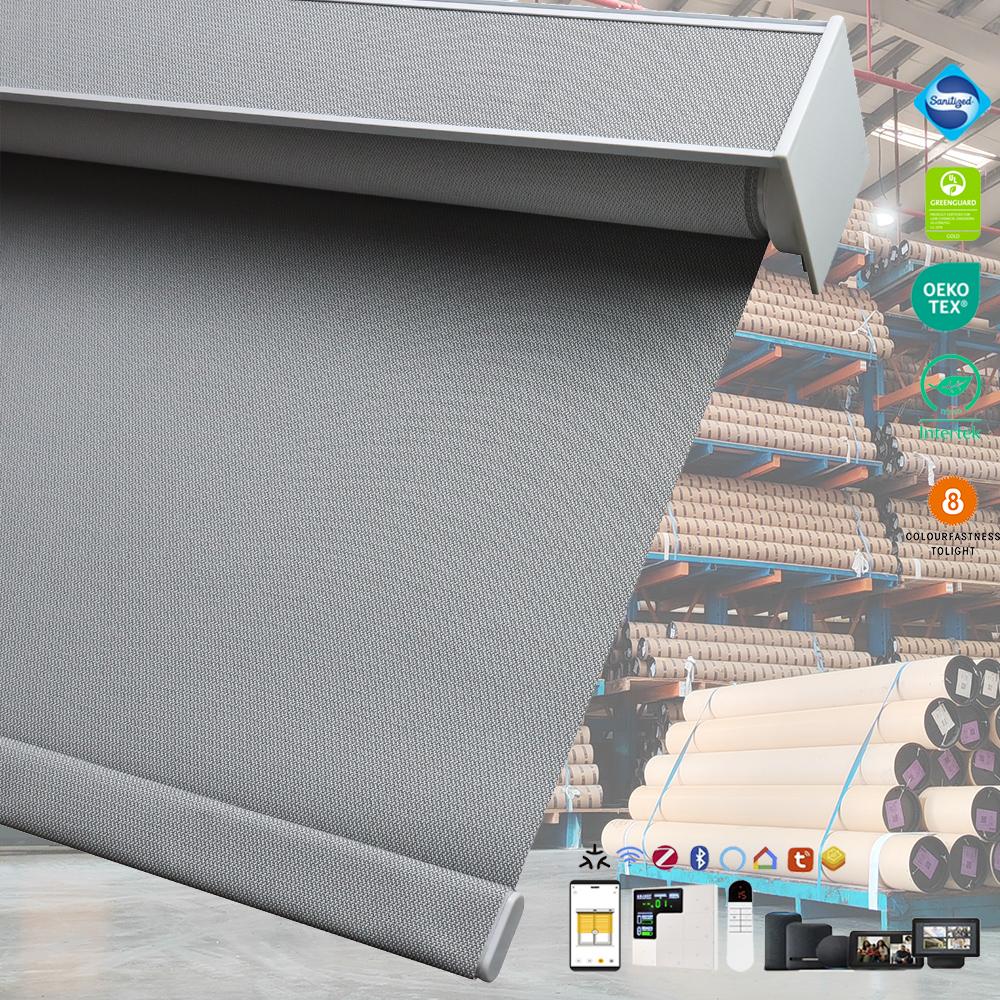
Most heat sneaks in through windows and gaps long before the AC kicks on, so treat sunlight as the enemy. Pull the blinds or draw the curtains in rooms that face east in the morning and west after lunch. Even cheap reflective film or light-colored drapes can bounce enough glare back outside to keep the indoor air from turning stale and heavy.
Ceiling fans cost pennies to run compared with an air conditioner, yet they make a room feel several degrees cooler just by moving air across your skin. Flip the switch so the blades spin counterclockwise in summer, and turn the fan off when nobody is in the room. Pair that with running heat-producing appliances like the oven, dryer, or dishwasher only after the evening cools down.
Small leaks around doors, windows, and vents let cooled air escape and humid air creep in. A roll of weatherstripping and a tube of caulk can close those gaps in an afternoon, making the cool air you already paid for stay put. If the house still feels sticky, add a dehumidifier or run the bathroom exhaust after showers, because drier air feels cooler even at the same temperature.
Morning Light on Your Terms, Not the Sun’s
Waking up to a dark room in winter used to feel like a small betrayal. Now the first soft glow arrives exactly when you need it, building gradually from a faint amber edge to a warm, full brightness that matches your alarm rather than the sunrise outside.
There is no need to leave the curtains cracked or rely on a streetlamp's accidental spill. You decide whether the light lands cool and white for focus or low and golden for a slower start, and it waits quietly until you are actually ready to open your eyes.
The point is not to fight the morning, but to give it a shape that fits the life you already live. On overcast days, before early flights, or during a jet-lagged week, the room can still feel like the first hour of a day you chose.
A Quieter Home Starts at the Window
A single pane of old glass does surprisingly little to stop the sounds that creep in from the street. Traffic, barking dogs, and early-morning garbage trucks all find their way through windows long before walls or doors become an issue. If a room faces a busy sidewalk, the window is usually the weakest point in the whole wall.
You do not have to replace every frame at once. Walk around with your hand near the edges on a windy day and you will often feel leaks that also let noise through. Replacing worn seals, adding putty to loose panes, or installing a secondary glazing layer can cut the sharpest noise without changing the character of the room. Heavy drapes can soften what remains, but they work best once the gaps are closed.
The aim is relief, not a recording-studio silence. Shifting the window from a noise leak to a proper barrier changes how the whole house feels after dark. It is one of the few upgrades that makes a home quieter while still letting you open the window and hear the rain when you actually want to.
Automation That Blends Into Your Daily Routines
The best kind of automation doesn't announce itself. It quietly handles the small stuff while you're already doing what you'd do anyway, so the friction disappears before you even notice it was there. A morning brief that lands in your inbox right as you pour your first coffee, a weekly cleanup that runs while you're in a meeting, a file that renames and files itself the moment it hits a folder. None of it feels dramatic, but the accumulated effect is hard to ignore.
The trick is to anchor triggers to habits you already have instead of asking people to build new ones. If your laptop usually closes around six, let that be the signal for tomorrow's priorities to sort themselves. If your team already trades updates in a chat thread, have a quiet bot gather the highlights into one place. The automation should feel less like a system you maintain and more like a helpful co-worker who simply knows how things flow.
That kind of fit doesn't come from wiring up every possible integration. It comes from watching the repetitive edges of your day and picking the few spots where the handoff between tools feels clunky. Automate those, leave the rest alone, and what you get back isn't just a few saved minutes. It's a day that feels lighter without adding another chore list to remember.
The Hidden Link Between Window Coverings and HVAC Strain
Most people treat blinds, shades, and drapes as purely visual choices, but they quietly influence how hard the heating and cooling system has to work. A sheer panel over a south-facing window lets enough afternoon sun through to push indoor temperatures up several degrees in under an hour. The thermostat picks up on that rise and calls for cooling, often before anyone in the room consciously notices the shift. Those small, repeated temperature swings add extra run time to the compressor and blower without ever showing up as an obvious problem.
Heavier or layered treatments such as honeycomb shades and lined curtains create a still-air pocket between the glass and the room. That buffer slows heat movement in both directions, so summer heat does not pour in as quickly and winter warmth does not escape as fast. The result is fewer sudden spikes that force the HVAC system to chase the thermostat. Even small routines help: closing east-facing coverings in the morning during hot months, or opening them on sunny winter days to let free warmth in, can shift the workload without touching a single piece of equipment.
The strain rarely appears as a dramatic failure. It shows up as rooms that never quite match the set temperature, filters that clog sooner than expected, and a system that cycles on and off more often than it should. Adjusting window coverings is often the least expensive way to give the HVAC a lighter, steadier load.
FAQ
They work on a schedule or light sensor to close during the brightest parts of the day, which blocks direct sunlight before it turns into trapped heat. That stops your cooling system from working harder than it needs to.
Yes, but the way they help depends on the season. In winter they can be set to open on sunny days to let in free warmth and close after sunset to add a layer of insulation at the window.
Not necessarily. Many systems can be fitted to your current blinds or shades using a small motorized module, so you keep the look you already have and just add the smart control.
You can use a simple wall switch, a remote, voice commands, or set everything once and let the blinds run on their own schedule. The phone app is optional, not required.
They can be, but it depends on the specific window. Large glass doors, skylights, and angled frames often need a custom track or a stronger motor, so it helps to check the measurements and mounting surface first.
Most systems pair with a hub or home network in a few minutes, and many come pre-programmed with basic routines. If you can install a light fixture or follow an on-screen setup guide, you can usually handle it without professional help.
Yes, especially in rooms with strong afternoon sun. By adjusting automatically to the angle of the light, they reduce harsh glare on screens and slow down fading on floors, rugs, and upholstery.
The blinds themselves usually stay in place, and many models have a rechargeable battery backup or manual override. If Wi-Fi drops, scheduled automations stored on the hub or device often continue working until the connection returns.
Conclusion
Most people adjust their blinds only after a room has already become too bright or too warm. Smart blinds work earlier than that. They pick up on sunlight and temperature changes and shift before anyone in the house registers the difference. East-facing windows can lift their shades gradually in the morning on your schedule, while afternoon sun gets blocked in stages to stop heat from building up inside. Because the room never gets a chance to overheat, the air conditioner cycles less, which lowers cooling costs without touching the thermostat. Over time, those small adjustments turn a house that would fight the afternoon heat into one that simply doesn't let most of it in.
The quieter benefits matter just as much. Routines can follow the way you actually live: blinds open with your alarm, close when you leave, and adjust again before dinner. Thicker fabrics or layered shades help soften street noise, and because the adjustments happen in the background, the home feels calmer rather than controlled by technology. Reducing direct heat gain also eases the workload on your HVAC system, which means fewer temperature swings, less strain on equipment, and a more comfortable home that holds its temperature longer without constant input. In practice, the blinds become part of the house's daily rhythm, not another device you have to manage.
Contact Us
Contact Person: Vivien Cheng
Email: [email protected]
Tel/WhatsApp: +86 13751758835
Website: https://www.rollergytech.com/