Zinc-Nickel Alloy Plating Equipment Supplier Selection for High-Performance Coatings
2026-08-25
Zinc-nickel alloy plating has become the go-to solution for engineers who need high-performance corrosion protection without sacrificing cost efficiency. But even the best coating chemistry will underperform if your equipment supplier doesn't understand the fine details of bath control, anode configuration, and rectifier ripple. Too many lines struggle with inconsistent thickness, poor adhesion, or excessive hydrogen embrittlement simply because the equipment was never tuned for zinc-nickel's unique demands. If you're evaluating suppliers for a new line or an upgrade, the decision goes far beyond price tags and delivery dates. It's about finding a partner who can translate your coating specifications into reliable, repeatable production. That's where Junda enters the conversation, bringing hands-on expertise that helps you avoid the common pitfalls and build a system ready for real-world performance.
What Separates a Reliable Zinc-Nickel Plating Line From a Disappointing One
The difference often comes down to how tightly the bath chemistry is managed. A reliable zinc-nickel line doesn't just check nickel concentration once a shift; it continuously or very frequently adjusts the ratio because even a few percentage points of nickel drift can shift corrosion resistance from excellent to mediocre. Disappointing lines tend to react to problems after parts start failing salt spray, with operators guessing at additions instead of following a controlled feed schedule tied to amp-hours and actual metal consumption.
Equipment condition and process layout separate the two as well. On a dependable line, rectifiers are sized with headroom, bus bars and contacts are cleaned on a schedule, and tank geometry is designed so solution flows through barrel holes or around racked parts without leaving stagnant zones. A disappointing line often suffers from the same recurring issues: burnt deposits from poor contact, anode passivation because maintenance was skipped, or conveyors that drop parts into the wrong tank. The reliable line catches these during routine inspection; the other catches them only after production stops.
There’s also a cultural divide in how quality is treated. A solid zinc-nickel operation will measure coating thickness and nickel content on actual production parts, keep records tied to each load, and use that data to adjust before defects appear. A disappointing one treats testing as a necessary evil, maybe checking a coupon now and then, and then wonders why a customer finds white rust on a batch that looked fine at the tank. The real separation is whether the line is run as a controlled process or as a series of hopeful guesses.
Supplier Audits: The Fastest Way to Expose Weakness in Coating Consistency
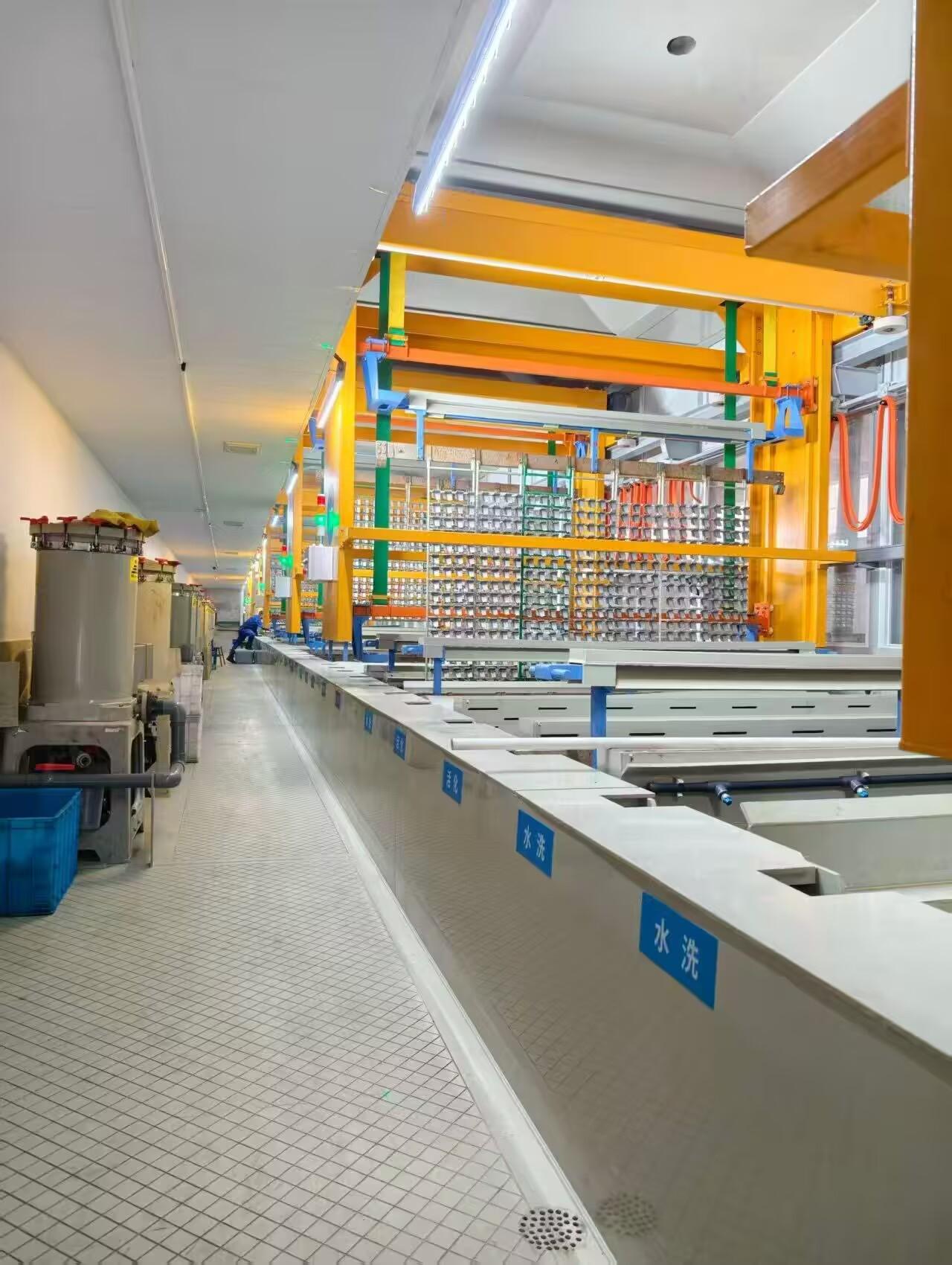
Most coating failures don't start with a bad formula. They start with a process that drifts when nobody is watching. A supplier audit forces you to look past the data sheet and see how batches are actually mixed, sprayed, and cured. One frequent red flag is viscosity control: a vendor might report the same Brookfield reading every time, but the operator's dip cup tells a different story. When you compare the two during an audit, inconsistencies in film build and gloss become hard to ignore.
Another area that audits expose quickly is surface preparation. Coatings bond to a profile, not to bare metal, and if a supplier changes blast media or skips a rinse step to save time, adhesion tests will eventually catch it—usually after parts are in the field. Walking the line gives you a chance to see whether the written work instruction matches what the shift lead actually does. That gap is where thickness variation and premature corrosion begin.
Finally, audits make cure schedules visible. A coating can look perfect after 24 hours but fail salt spray because the oven temperature drifted at the edges or the line speed was bumped up to meet a deadline. By comparing furnace charts, rack loading, and retained samples, you can spot the exact point where consistency breaks down. In most cases, the quickest fix isn't a new coating—it's getting the supplier to follow the process they already documented.
Why Cheap Rectifiers Usually Cost More in High-Performance Zinc-Nickel Work
In zinc-nickel plating, the alloy ratio sits on a knife's edge. A rectifier with loose output filtering lets ripple creep into the bath; the resulting current oscillation pulls more zinc than nickel out of solution at the peaks and starves the nickel at the valleys. The deposit drifts off spec before the thickness gauge even gets involved. Rework then eats any upfront savings.
Cheap units also struggle with holding a set point when the load shifts. Racks leave the bath, new racks enter, and the resistance seen by the rectifier changes. If the unit hunts or overshoots, you get burned high-current-density zones or underplated low-current-density recesses. Scrapping a single large batch wipes out the price difference many times over.
Then there is the maintenance side. Inexpensive rectifiers often run hot, use undersized busing, and rely on components that fail under continuous three-shift operation. Downtime in a zinc-nickel line is not just lost production; it also lets the bath sit idle and drift, forcing more lab titrations and chemical corrections. That hidden labor is the real cost.
Forget the Spec Sheet: Ask About Bath Maintenance and Sludge Handling Instead
Most buyers flip straight to the spec sheet, comparing tank capacity, heating power, or flow rate. But those numbers rarely reveal how much daily hassle a bath will cause once it's installed. The true operating cost hides in two things: how easily you can maintain the tank and how efficiently it handles sludge. Ask the wrong questions up front, and you could end up with a machine that demands two hours of manual scraping every shift just to keep the bottom from turning into a concrete-like layer.
A well-designed bath makes sludge management almost invisible. Look for a sloped bottom that guides sediment toward a drain, a drain port placed where it actually works, or an automated scraper system that clears residue without stopping production. On the other hand, a tank with dead corners or a poorly positioned outlet will accumulate sludge continuously, degrading bath chemistry and forcing frequent shutdowns for cleaning. Maintenance frequency isn't printed in any glossy brochure, but it will define your line's uptime far more than a few extra kilowatts of heating.
Next time you evaluate equipment, skip the horsepower numbers and ask direct questions instead: How does the sludge get out? How often does the bath need cleaning? Can it be done without draining the entire tank? How many people does it take? The answers will predict your real-world experience more accurately than any specification sheet ever could.
How to Evaluate a Supplier’s Track Record With Automotive and Aerospace Standards
Start by verifying the supplier's certifications against the specific standards your industry demands. For automotive, look for IATF 16949 – not just ISO 9001 – and confirm the certificate's scope covers the relevant product categories. In aerospace, AS9100 is non-negotiable, but check which revision they're certified to; older revisions may signal complacency. Request copies of the certificates and cross-check them with the issuing registrar's online database, because forged or expired documents are more common than many buyers assume.
Next, dig into their actual performance data tied to those standards. Ask for on-time delivery rates, first-pass yield, and nonconformance reports from the last 12–24 months. Specifically look for how they handle corrective actions under the standards' requirements – for instance, AS9100 mandates formal root cause analysis and preventive measures. A supplier with a high number of minor nonconformances but a consistent record of closing them out quickly may be more reliable than one with a spotless audit but slow response times.
Finally, go beyond paperwork and talk to the people who execute the work. Schedule an on-site visit to observe their quality control processes in action – watch how operators handle traceability documentation, gauge calibration, and first-article inspections. Ask for references from clients in your exact sector and call them, focusing on how the supplier reacted when issues arose. A supplier that is transparent about past problems and shows a clear improvement trajectory is often a safer bet than one that claims perfection.
The Hidden Link Between Fixture Design and Uniform Zinc-Nickel Coverage
Most plating engineers blame bath chemistry when zinc-nickel thickness drifts out of spec, but the rack itself often dictates where the deposit lands. Fixture geometry changes local current density more than any additive tweak. A part shielded by frame members or packed too tightly sees lower nickel incorporation, leaving thin patches that salt spray tests expose later. Small changes like moving a contact point or adding a shield can shift coverage from 40% to over 85% in recessed areas.
The real trouble starts with contact placement. If the rack tips carry all the current at one end, that end gets hot and burns while the opposite side starves. Zinc-nickel is especially finicky because nickel deposits at a different rate than zinc, so any current imbalance alters the alloy ratio across the part surface. Copper hooks or clips that loosen after repeated thermal cycling make it worse: resistance climbs, voltage drops, and suddenly the same fixture that ran fine on Monday produces gray, uneven coverage by Thursday.
Fixture designers who treat racks as simple hangers miss the hidden variables: cross-sectional area of the spine, solution flow through cutouts, even the paint mask's edge profile. For tall or curved parts, a deliberate current thief or conforming anode can level out the deposit, but only if the fixture allows room for it. Once you map thickness across a racked part, the pattern usually points back to a fixture decision rather than the plating bath.
FAQ
Focus on whether they have experience with alkaline or acid zinc-nickel baths similar to yours, the quality of their rectifiers and anode systems, and their track record in industries that demand high corrosion resistance. Ask for case studies or references where parts had to pass 500+ hours of neutral salt spray.
Zinc-nickel baths are sensitive to temperature, pH, and current distribution, so the equipment must include tight temperature control, efficient agitation, and filtration that can handle the specific additives. Anode material and spacing also need to be matched to the nickel content you are targeting, otherwise you will see poor alloy consistency.
Regular solution analysis for nickel and zinc ratios, checking anode connections for passivation, cleaning or replacing filter media, and verifying rectifier ripple are all essential. Skipping these leads to shifts in alloy composition and premature coating failure, even if the equipment is high-end.
Run a pilot trial with your actual parts and your own plating bath, then test the coated samples for thickness distribution, adhesion, and corrosion resistance per ASTM B117 or similar. Only after passing those tests should you discuss integrating the supplier's equipment into your existing line, and always negotiate for on-site commissioning support.
Beyond the purchase price, factor in electrical efficiency, wastewater treatment load, chemical consumption rates, anode replacement intervals, and the labor needed for upkeep. Some suppliers offer cheaper tanks but skimp on ventilation or rectifier quality, which drives up long-term operating costs.
Request evidence from the supplier that their system has achieved similar performance on comparable substrates, not just in a lab setup. Look for features like pulse plating capability, precise current control, and online thickness monitoring, which help maintain the tight alloy range needed for that level of protection.
Automation removes the biggest source of variation—manual adjustment. Systems that automatically control current density, bath temperature, pH, and additive dosing can hold the nickel content within a narrow window, which is vital for corrosion resistance. For complex geometries, programmable hoists and rectifier waveforms also improve coverage in low-current-density areas.
That depends on the age and flexibility of your current line. If your tanks, rectifiers, and waste treatment can be adapted to the stricter control requirements, a retrofit can save capital. But if you are switching from zinc-only to zinc-nickel or need to meet new specifications, a turnkey system is usually more reliable because everything is sized and integrated for the alloy process.
Conclusion
Choosing a zinc-nickel plating line often comes down to details that never appear on a glossy brochure. A reliable system reveals itself through the way a supplier handles audits—those visits quickly separate shops with genuine process control from ones running on borrowed time. You want to see how they manage bath chemistry and sludge removal, because even a high-end rectifier won't save a line that neglects filtration or lets metal fines accumulate. Cheap power supplies are a classic trap: they drift under load, create uneven deposition, and end up costing more in rework and rejected aerospace parts than the premium model would have in the first place.
What really sets a capable partner apart is their history with automotive and aerospace specifications. Ask for concrete examples of parts that passed salt spray and cyclic corrosion tests, not just a certificate on the wall. Then look at the fixture design they propose—poor contact points and shielding cause thin spots in recessed areas, no matter how good the bath is. A supplier who can walk through racking layouts, anode placement, and current distribution for your specific geometry is worth far more than one who recites standard amperage ratings. The hidden link between tooling and uniform zinc-nickel coverage is where most lines either deliver high-performance coatings or quietly fall short.
Contact Us
Contact Person: hayyr
Email: [email protected]
Tel/WhatsApp: 8613082110525
Website: https://www.jundaelectroplating.com